
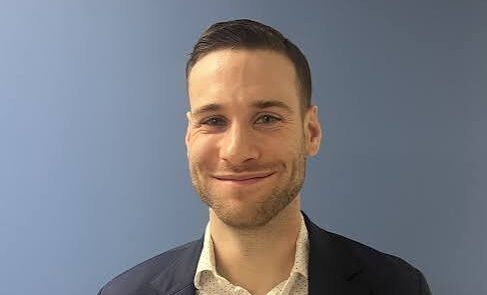
There’s a lot of talk about driverless cars, they improve traffic, they impede traffic, they’re safe, they aren’t safe at all. I sat down with Daniel Greene Senior Director of consumer protection and product safety for the National Consumers League. We talked about driverless cars, their future and what’s going on with them now. Make no mistake, they are coming.
Driverless Cars, Look Out, One Might be in the next Lane
This episode brought to you through the generosity of our supporters
RELATED POSTS
00:00:00:04 – 00:00:02:57
David Martin
This is the good government show.
00:00:03:02 – 00:00:16:15
Daniel Greene
I think the biggest challenge in deploying autonomous vehicles hasn’t been regulatory. It hasn’t been financial. It’s really been the technology. This is very difficult to do.
00:00:16:20 – 00:00:25:36
Daniel Greene
It is relatively easier to get from 0 to 98% proficiency than to get to that last 2%.
00:00:25:41 – 00:00:37:07
Daniel Greene
They’re moving at the speed of innovation, which means they could be here tomorrow. They could never be here at all. The truth is, is that we don’t really know.
00:00:37:12 – 00:00:46:52
Daniel Greene
I think good government is addressing the needs of the people that could only be addressed by a governmental entity.
00:00:46:57 – 00:00:56:01
Daniel Greene
That’s good governance. When you exceed the expectations of the people to meet a pressing public policy issue.
00:00:56:06 – 00:01:01:39
Daniel Greene
We through government can make this country better and people’s lives better.
00:01:01:44 – 00:01:18:18
David Martin
The car pulls up. You get into the back seat, the car pulls away, the blinker goes on. You turn right. The car continues down the street. A typical day in a taxi. I forgot to mention you’re in a driverless car. No driver. Get ready folks, this is the future. Welcome to the Good government show. I’m Dave Martin first.
00:01:18:19 – 00:01:36:53
David Martin
Help us show the message of good government by liking us and sharing us where we are on social media. Make sure to review us. Don’t forget and share our show everywhere. We all need to talk about good government. I attended the National League of Cities conference in Washington and attended a session on the future of Transportation. Then I got to have an in-depth conversation with Daniel Greene.
00:01:36:54 – 00:01:57:19
David Martin
He’s the senior director of consumer protection and product safety for the National Consumers League, and we got to talk about the past, present and future of driverless cars. My overall impression after talking with Dan Greene was cool. Okay, I’m ready to take a ride. As Dan will tell you, he got used to it pretty quickly. Like any emerging technology, it takes a while to catch on.
00:01:57:19 – 00:02:14:42
David Martin
I mean, it took America about 20 years to give up their horses for the horseless carriage. As we figure out driverless cars, there’s a lot of healthy discussion about them. The United Nations just put out a new set of regulations for driverless cars. Waymo, one of the leading driverless car companies, says driverless cars are safer. But in May.
00:02:14:44 – 00:02:33:07
David Martin
They had to recall cars because the cars didn’t respond to road flooding conditions. One study in Texas found that driverless cars would ease traffic congestion. But in Atlanta, a driverless Waymo car was seen stopping in front of a fire truck. This is not a simple issue, but governments across the world are trying to figure it out. So sit back if you’re driving.
00:02:33:10 – 00:02:46:23
David Martin
Keep your eyes on the road and listen to what could be your future. And who knows, in that future, you may not have to keep your eyes on the road on the way to work. That’s all coming up with Dan Greene of the National Consumers League.
00:02:46:28 – 00:03:16:24
David Martin
Hello nation is our partner here at the Good Government Show. This is a new direction from CGI digital. Hello nation is CGI s new online digital magazine that showcases the best of cities across the nation. We’d all prefer with good News, traveled faster, and Hello Nation. Positive stories don’t just get told, they get amplified. Hello nation Elvis businesses, leaders and community share positive stories that matter building trust, credibility and meaningful connection through professionally produced podcasts, digital features, and targeted distribution.
00:03:16:24 – 00:03:39:49
David Martin
Hello nation positions you as the answer regular folks are looking for, while expanding and scaling your digital footprint across the platforms that people trust. Good news deserves momentum. Your city or your business can help spread the word of good news across the nation. At Hello Nation, they don’t have advertisers. They have editorial content from trusted community leaders and cities that are spreading the good news.
00:03:39:49 – 00:03:47:07
David Martin
Let Hello Nation lift you up and lead the conversation. That’s Hello Nation!
00:03:47:12 – 00:04:05:38
David Martin
Once you wrap up this episode of The Good Government Show, give a listen to our friends over at Good News for lefties. This daily podcast highlights news stories that show there’s more good news out there. Other people in government are really trying to do the right thing. That’s good news for lefties. Listen where you’re listening now.
00:04:05:42 – 00:04:16:23
David Martin
Welcome to The Good Government Show. I’m happy to have with me. Daniel Greene, you are the senior director of consumer protection and product safety for something called the National Consumers League. To have your title correct.
00:04:16:25 – 00:04:17:42
Daniel Greene
You do. You did a great job.
00:04:17:42 – 00:04:18:01
David Martin
Thank you.
00:04:18:01 – 00:04:18:37
Daniel Greene
Very much.
00:04:18:39 – 00:04:21:20
David Martin
What is the National Consumers League and how do you help government?
00:04:21:22 – 00:04:46:30
Daniel Greene
Yeah, the National Consumers League is a 501 C3 nonprofit, just representing the average everyday American in their best interests, whether that’s health care, product safety, prevention of fraud, opposing child labor, whatnot. We cover it and we work with our federal legislators and federal regulators on trying to enshrine those policies into law and regulations.
00:04:46:30 – 00:04:49:09
David Martin
Sometimes. Do we have to steer them a little bit in the right direction?
00:04:49:11 – 00:05:16:09
Daniel Greene
Absolutely. I think what you will find if you work particularly with legislators, but also some regulators, is that they’re often policy executables. The policy expertise is very much driven by folks like us and other organizations and other special interest groups and even businesses that directly interact with these issues or policies on a day to day basis, who can help inform those policy makers as to exactly what they should and should not be doing?
00:05:16:09 – 00:05:36:42
David Martin
So we are here at the National League of Cities and we were just in. We met here at a breakout session called Transportation and Infrastructure Services, a federal advocacy committee meeting. And you were here to talk about driverless vehicles. Yeah. Okay. So this is what I want to talk about. Driverless vehicles. Never been in one. I live in New York City.
00:05:36:44 – 00:05:50:41
David Martin
We don’t have any. I take the subway, which is not driverless. Tell me where we are in the world of driverless vehicles. Like, you know, this clearly is is heading our way in a big way. But where do we stand in driverless vehicles?
00:05:50:43 – 00:06:18:25
Daniel Greene
There on the horizon? There has been decades of research and development, tens of billion dollars invested in this industry. And we are seeing these vehicles deployed an increasing scale across the country, predominantly in cities. San Francisco is certainly, I think, the capital of autonomous vehicle development and deployment. We’re seeing it in Austin, we’re seeing it in Vegas, we’re seeing it in Tempe, we’re seeing it in Atlanta in DC.
00:06:18:25 – 00:06:24:53
Daniel Greene
And it’s frankly going to become more common and frequent for folks to be seeing these vehicles in their average everyday life.
00:06:24:53 – 00:06:35:36
David Martin
So I have not seen these in my average everyday life. And I know nothing about this. I mean, do you stand on the side of the road and wave your arm like you do in New York City? Cab and is the car pull up? How does it work?
00:06:35:38 – 00:06:51:20
Daniel Greene
It’s more similar to a ride sharing company like Uber and Lyft. You got to have an app. Exactly. You’ll hail a vehicle. There will be a checkpoint in which you will meet that vehicle. Get in. Press a button confirming you are who you say you are, and then that vehicle does all the work from there on out.
00:06:51:23 – 00:06:52:59
David Martin
And you sit in the front seat of the back seat.
00:06:53:01 – 00:07:13:26
Daniel Greene
You sit in the back seat and you will see the steering wheel turn left and right and the blinkers come on and off. And it is a very surreal experience, but it would amaze me most. The first time I took an autonomous vehicle was how comfortable and how quickly I became comfortable. Okay. It took a matter of minutes before I was kind of just enjoying the ride.
00:07:13:29 – 00:07:15:45
David Martin
How many rides have you taken in a driverless vehicle?
00:07:15:48 – 00:07:18:33
Daniel Greene
I think I’ve taken 2 or 3.
00:07:18:36 – 00:07:18:57
David Martin
Okay.
00:07:19:00 – 00:07:24:52
Daniel Greene
All right. All as part of my as a former congressional staffer on congressional delegation trips, okay. In San Francisco.
00:07:25:04 – 00:07:31:25
David Martin
So it was always in San Francisco. Yeah. Now let’s just talk about San Francisco. I’ve been there a few times. Not a great driving city.
00:07:31:30 – 00:07:32:16
Daniel Greene
Tough environment.
00:07:32:18 – 00:07:41:51
David Martin
Yeah, yeah, tough place to ride. Some of those hills, you know, can be challenging. What was your feeling? I mean, you said it takes a little it takes a few minutes to get comfortable, but just really a few minutes.
00:07:41:51 – 00:07:58:38
Daniel Greene
It truly did. And what it reminded me was of was the first time I took an Uber. Okay. Where I grew up in a family, when I was a teenager, we were not supposed to be riding in our friends cars, like if we needed a ride somewhere our parents were driving. It was that level of trust where we don’t.
00:07:58:40 – 00:08:17:13
Daniel Greene
Our parents didn’t know who these kids were. If they were good drivers, their vehicles were safe. So the first time I got into just a normal Uber and sat in the back of a stranger’s vehicle, who we did not talk to, who then drove us someplace was surreal. But you got comfortable with it quickly. Same experience when I was with in an autonomous vehicle.
00:08:17:13 – 00:08:19:58
David Martin
And do you feel like you’re just in a regular car after a few minutes?
00:08:20:01 – 00:08:42:23
Daniel Greene
No, I don’t think you ever feel like you’re in a regular car. Okay. For me, I could feel the driving differences. The braking and acceleration was a little bit more abrupt, which is something I know they’ve been working on. You would see things and you just couldn’t tell if the vehicle could see them. Like, if you’re with a driver, you can kind of identify if they’ve seen that person who’s now crossing the road.
00:08:42:28 – 00:08:45:28
Daniel Greene
So no, never quite felt like the same as a real driver.
00:08:45:30 – 00:08:57:18
David Martin
Well, I was at a and cab blessing and a lift last night in New York City and I said, where does it have you going through the tunnel of the bridge. Well, the tunnel, I said, now don’t take the tunnel. Take the bridge now, you can’t do that in a driverless vehicle again.
00:08:57:30 – 00:08:58:30
Daniel Greene
Not that I know of.
00:08:58:32 – 00:09:08:05
David Martin
All right. So let’s just talk about safety. Sure. Are these cars safe? And if they are safe, how safe are they? And compared to obviously a regular car.
00:09:08:07 – 00:09:37:19
Daniel Greene
It’s a reasonable question. I think it’s it’s the first question policymakers should ask. Frankly, we don’t know okay. We just don’t know. And the reason we don’t know is because there haven’t been enough vehicle mile travel to actually assess their level of safety compared to a human driver. Okay. And then there’s been a bunch of really interesting studies that simulate every human cause crash in a certain area, and how an autonomous vehicle would have performed that have provided some promising results.
00:09:37:20 – 00:09:48:00
Daniel Greene
There’s other studies that have found that Avs have been involved in incidents and crashes at rates six times a human driver. Truth be told, it’s just too early to make a definitive conclusion.
00:09:48:03 – 00:10:04:35
David Martin
You mentioned in the in the session we had that you mentioned a couple of deaths. No, death is acceptable, but people die in cars. Is there any parallel that anybody can draw between cars? You just I know you just answer this between cars and drive to driverless vehicles.
00:10:04:35 – 00:10:32:26
Daniel Greene
You’re absolutely right. There are approximately 40,000 deaths, and I think well over a million injuries each year associated with motor vehicle crashes. Okay. Thus far, there have been three deaths associated with autonomous vehicles, one of which just could not reasonably be at the fault of the autonomous vehicles. So it’s really two deaths in which there’s a question and there have been some injuries and some severe injuries, but with the amount of vehicle miles traveled, there’s really no apples to apples comparison.
00:10:32:31 – 00:10:34:21
Daniel Greene
It’s really just anecdotal at this.
00:10:34:24 – 00:10:38:40
David Martin
How many more miles do we need to get out of driverless vehicles before we can answer that question?
00:10:38:43 – 00:10:59:51
Daniel Greene
Yeah, potentially millions more. Okay. It’s a little bit far, far off, as well as the fact that these vehicles are operating in very controlled environment. Okay. They’re well mapped areas. Sometimes they’ll have a fallback ready user who can take over the wheel. So it’s going to be tricky to draw that comparison for a while.
00:10:59:51 – 00:11:10:24
David Martin
Where are we headed with this. Where where what’s the next step. Is it just to roll it out in more cities, or is it and get the numbers out there and let the numbers fall where they may? Or is there another plan?
00:11:10:26 – 00:11:38:18
Daniel Greene
I think so. I think the goal is with the level of technology and sophistication we have now to continue to map out different cities, provide these ride sharing services in the areas in which they’ll be most profitable and the most revenue can be generated. But truly, to achieve the level of proficiency that I think the industry will want to be comfortable to deploy these more broadly at higher scale, they’re going to need some technological jumps.
00:11:38:23 – 00:12:00:11
Daniel Greene
I think the biggest challenge in deploying autonomous vehicles hasn’t been regulatory. It hasn’t been financial. It’s really been the technology. This is very difficult to do. Back in 2017, when autonomous vehicle legislation was first seriously being considered on the Hill, you had lift that was coming out and saying that they thought 50% of their rides were going to be driverless by 2021.
00:12:00:14 – 00:12:22:32
Daniel Greene
General Motors announcing in Ford announcing that they were expecting to have mass production of autonomous vehicles by 2020 2021. There was nothing at the federal level or the state level or investment. I mean, there’s been billions of dollars invested. There was nothing there that stopped it. It’s just the technology was harder than they anticipated. And I think we still need some more technological jumps to reach before we get there, but we will get there.
00:12:22:34 – 00:12:24:44
Daniel Greene
My opinion, I don’t think it’s that far off.
00:12:24:46 – 00:12:27:03
David Martin
What’s the technological hold backs?
00:12:27:17 – 00:12:55:30
Daniel Greene
It’s just very. So it is relatively easier to get from 0 to 98% proficiency than to get to that last 2% proficiency of all those different edge cases that you just could never expect, like your vehicle driving past a EDM rave and all the cell service is down because of it. Oh, or just some freak incident that you can never expect that nonetheless, these companies will be liable for if their vehicle doesn’t perform safely.
00:12:55:32 – 00:12:58:43
David Martin
For the most part. Can they turn left and can they stop at the red light?
00:12:58:46 – 00:13:05:00
Daniel Greene
They can, and they have been able to do so, frankly, before, since before I was legally allowed to drive.
00:13:05:03 – 00:13:13:24
David Martin
Okay, so a while. Yeah. Is someone monitoring all these cars somewhere in a computer screen? Somewhere? Do they just put them out on the street and go, yeah. Good luck.
00:13:13:36 – 00:13:40:49
Daniel Greene
The companies are. But in terms of some sort of independent entity with an obligation to protect the public interest, nothing at that level of sophistication. NHTSA is the federal agency with authority, National Highway Traffic Safety Administration. It says the federal government agency charged with ensuring motor vehicle safety, and they don’t have a situation war room where they have all these monitors.
00:13:40:49 – 00:13:54:14
Daniel Greene
It is literally they get a complaint about a vehicle operating in a way that wasn’t safe. And maybe they’ll send an inquiry to the company in check. Maybe not, but that’s kind of the way we’re regulating this at the federal level.
00:13:54:17 – 00:13:59:12
David Martin
How is the National Consumers League helping to make sure that we are trouble free?
00:13:59:14 – 00:14:24:34
Daniel Greene
We’re partnering with both our legislative partners, but also our regulatory friends at nighttime to provide them recommendations on how we could be proactively ensuring that we create an environment in which we allow these promising, innovative technologies to be deployed, but in a manner that’s consistent with our fundamental values of safety, accessibility, workforce protection and whatnot. So we.
00:14:24:34 – 00:14:27:15
David Martin
Are trying to get all the ships steering in the same direction.
00:14:27:17 – 00:14:43:40
Daniel Greene
I think so. And I think fundamentally for the technology to succeed, it not only has to be commercially successful, but it will be rejected by the public if we don’t have the safety issues in some of these general frustrations that sometimes arise with these technologies. Address.
00:14:43:42 – 00:14:48:18
David Martin
You mentioned San Francisco. What other cities are really at the forefront of driverless technology?
00:14:48:21 – 00:15:03:10
Daniel Greene
Yeah, Austin is going to be up there. Tempe, Vegas, Atlanta, Washington, D.C.. We’re starting to see them deployed. Pittsburgh was a big hub for a while, of course, Detroit, Michigan, we got a lot of folks there in Dearborn and whatnot.
00:15:03:13 – 00:15:05:46
David Martin
Are they are they pro driverless vehicles in Detroit?
00:15:05:48 – 00:15:24:42
Daniel Greene
Yeah, they’re you know, the auto industry really did and I think still does see Thomas vehicles as just it is it is a big leap in transportation technologies that they want to be at the forefront of. If we’re going to continue to be one of the most innovative places to produce automobiles.
00:15:24:45 – 00:15:30:59
David Martin
Is this something that I would buy myself sometime in 1 to 50 years? I’d have my own driverless vehicle in the driveway.
00:15:31:01 – 00:15:34:37
Daniel Greene
You know, Elon Musk thinks you may be able to if you buy a Tesla.
00:15:34:39 – 00:15:36:18
David Martin
I’m going to leave that alone.
00:15:36:23 – 00:15:52:43
Daniel Greene
He has this concept of you’ll be able to buy your Tesla, and then when you drive it to work and park it, that that vehicle will then be able to go perform driverless rideshare services all across that local community up until you need to drive home. It’ll pull up to you, you’ll drive it home, and you’ll plug it in for the night.
00:15:52:43 – 00:16:04:48
Daniel Greene
So that may be the only foreseeable private purchase use case I could see. I think for the foreseeable future, we’re going to see these vehicles deployed as either delivery vehicles or rideshare vehicles.
00:16:04:50 – 00:16:09:16
David Martin
You talked about Ford and General Motors. Who are the big names in driverless vehicles?
00:16:09:18 – 00:16:19:46
Daniel Greene
Yeah, it is. It is Waymo, which is Google, and it is Zoox, which is Amazon. We also have a which is a trucking company operating in Texas. Those are the.
00:16:19:56 – 00:16:22:08
David Martin
You say trucking. Are we talking about the big you know.
00:16:22:10 – 00:16:25:12
Daniel Greene
Oh yeah. 18 wheelers freight folks. Yep.
00:16:25:15 – 00:16:36:57
David Martin
See, here’s what makes me nervous. And maybe I’m wrong, but you’ve got a fleet of vehicles out there with no one watching that ride and no kind of backup. Tell me what I’m missing.
00:16:36:57 – 00:16:37:40
Daniel Greene
So.
00:16:37:52 – 00:16:48:33
David Martin
Because you said there are some of these cars where there’s a driver there that just kind of sits there with their hands folded, and if there’s a crisis, they push a button and then they take over. But for the rest of them, like, yeah, good luck.
00:16:48:35 – 00:17:14:00
Daniel Greene
And that is a significant part of the policy fight, because you’re right in the way in which commercial trucks that these vehicles are contemplating is being deployed in autonomous form, is without any sort of fallback or any user. Right. And the extent to which that vehicle has an issue. The expectation is the technology is going to be so sophisticated that that vehicle can either pull over or mitigate the risk, or alert a remote operator who may not even be based in the United States.
00:17:14:00 – 00:17:36:55
Daniel Greene
By the way, of course, to help address the issue, a lot of the safety community and some of the labor unions who are often at the forefront of safety innovations, are arguing that there should be affirmative obligation, that there is a person who can perform that function. There was a bill at Governor Newsom’s desk several years ago that would require that in the state of California, that was actually vetoed.
00:17:36:56 – 00:17:39:58
Daniel Greene
So that’s a very much part of the policy discussion.
00:17:40:01 – 00:17:47:41
David Martin
Do they just stop where they are? Do they do they have a like a pullover or fail safe? I mean, how does that work?
00:17:47:46 – 00:17:50:46
Daniel Greene
The interesting thing is every company is going to address it a little bit differently.
00:17:50:46 – 00:17:54:38
David Martin
Because you don’t want the car just to stop, you know, in the middle lane on 95.
00:17:54:41 – 00:18:16:20
Daniel Greene
Yeah. The engineering term of art in the regulatory and policy term art is minimal risk condition. Okay. So whenever the vehicle encounters a malfunction or it’s operating outside of the conditions for which it’s designed, the vehicle is supposed to have a mechanism to transition to a minimal risk condition that, more often than not, is going to be able is going to require the vehicle to pull over.
00:18:16:20 – 00:18:25:46
Daniel Greene
But there’s other instances where the vehicle may just have to stop with its hazards on if it’s malfunctioning at an intersection or something. There’s a whole host of different possibilities.
00:18:25:48 – 00:18:30:53
David Martin
Have any of these just kind of stopped in the middle of a left turn on on for waiter section?
00:18:30:55 – 00:18:54:20
Daniel Greene
Just a couple weeks ago, there was a very troubling incident in in Austin, Texas, in which a Waymo stopped in front of an ambulance that was responding to a mass shooting, and that vehicle was unable to navigate its way out for approximately a minute and a half. And a police officer actually had to get out and manually. It appears to have manually steered that vehicle away.
00:18:54:23 – 00:18:57:37
Daniel Greene
So, yes, these types of troubling incidents.
00:18:57:39 – 00:19:06:41
David Martin
These are all things we need to work on. Yes. And where does the current administration stand in the Department of Transportation stand on driverless vehicles. Are they proponents or are they skeptical?
00:19:06:43 – 00:19:37:39
Daniel Greene
They’re proponents and they’re very bullish on trying to address some of the perceived regulatory barriers to deploying these vehicles. Okay. Under current law, you are not permitted to deploy a motor vehicle into interstate commerce unless it complies with all safety standards, which makes sense. Sure. Well, there’s some 40 odd safety standards that either directly regulate a manual control, like a steering wheel or a brake pedal or gear shifter, reference those manual controls or reference a human driver.
00:19:37:39 – 00:19:52:22
Daniel Greene
So if you want to deploy an autonomous vehicle without those features a steering wheel, windshield wipers or side view mirrors, federal regulations actually impede you from doing so, which is what this administration is really looking to modernize.
00:19:52:24 – 00:20:14:44
David Martin
So when you talk about, you know, people behind the wheel and we’ve all done this, you’re texting, you’re on your phone, you’re looking out the window. You’re trying to keep the kids quiet in the back seat. Are people driving cars sometimes a bad idea? And is this a solution for things like texting while you’re on your phone? You know, keeping your kids quiet?
00:20:14:47 – 00:20:24:56
Daniel Greene
Objectively, humans have problems driving safely. Just be frank. They get distracted. They make poor decisions. They drive.
00:20:25:00 – 00:20:26:08
David Martin
40,000.
00:20:26:17 – 00:20:45:57
Daniel Greene
40,000 deaths a year. Over a million injuries. Right? A large percentage of that is attributable to human factors. Autonomous vehicles are one of the potential solutions. But we have a whole host of really promising safety technologies that are already available and have already performed at a level of proficiency that we know they’re safe.
00:20:46:02 – 00:20:48:37
David Martin
Cameras noise when you get too close to another vehicle.
00:20:48:40 – 00:20:52:35
Daniel Greene
Exactly. Advanced driving assistance systems, driver monitoring systems.
00:20:52:35 – 00:20:57:08
David Martin
Even my daughter’s car, if I. If I change lanes without signaling it.
00:20:57:13 – 00:21:11:16
Daniel Greene
Lane departure warning and assist. That can even even intervene. Even drunk driving prevention technology. Passive technology that can detect if the person that starting the vehicle is drunk and prevent that vehicle from operating, is close to being commercially viable.
00:21:11:17 – 00:21:15:07
David Martin
Where are we five years from now? Where are we ten years from now with driverless vehicles?
00:21:15:19 – 00:21:16:19
Daniel Greene
Yeah. You know these.
00:21:16:29 – 00:21:18:40
David Martin
Get out your crystal ball.
00:21:18:45 – 00:21:21:02
Daniel Greene
You saw. You saw. I was about to spin.
00:21:21:04 – 00:21:21:52
David Martin
Yeah I did.
00:21:21:55 – 00:21:42:51
Daniel Greene
They’re moving at the speed of innovation. Which means they could be here tomorrow. They could never be here at all. The truth is, is that we don’t really know. Okay. In my crystal ball, I think we’re going to see these vehicles deployed in higher numbers. But in this nice, measured approach, more expansively over the next five years. In ten years.
00:21:42:53 – 00:21:53:50
Daniel Greene
These are going to be common. Everyone just like Uber and Lyft in my opinion, is going to have written in them once. You’re going to see them around more often. And I think people are going to come to really like them.
00:21:53:53 – 00:21:55:57
David Martin
Are you excited about this? I am, yeah.
00:21:56:00 – 00:21:59:23
Daniel Greene
And I think we should be the mobility. Let’s let’s.
00:21:59:26 – 00:22:09:28
David Martin
Just this is pause for a minute. And I said, what are you doing the rest of the year? You said, I’m going home to watch NASCAR. That’s true. I mean true, that’s okay. Are you as excited about driverless vehicles as you are about NASCAR?
00:22:09:30 – 00:22:43:09
Daniel Greene
I’m probably more excited. And that’s saying a lot because I literally have a William Byron bumper hanging up in my bedroom as a 34 year old adult right now. But I am because this is going to be transformational from a safety perspective in terms of helping address the unacceptable carnage on our nation’s roads. But for the elderly and people with disabilities and mobility prospects and just the convenience, the deliveries of goods and meals, I think this is going to be a very, very promising, successful technology.
00:22:43:09 – 00:22:44:38
Daniel Greene
The one that was American made.
00:22:44:40 – 00:22:59:46
David Martin
What’s the big issue that you’d like to see government tackle? You know, you talked about bills and you talked about regulations. What’s the thing that government needs to do to come around to make sure that you can’t fight progress, but to make sure we do it safely and correctly and correctly is the key, I guess.
00:22:59:49 – 00:23:23:16
Daniel Greene
And correctly is where I would want them to land them being the federal government. So I think the key to regulating these technologies is ensuring that the rush to deployment doesn’t become a race to the bottom, because the whole industry is not going to succeed if the public rejects it and it’s not accepted, which they were. The industry was on the verge of reaching that level in San Francisco at some point.
00:23:23:21 – 00:23:48:05
Daniel Greene
So I think rather than being reactive to safety incidents and trying to pull vehicles off the road, creating a regime in which autonomous vehicle developers and manufacturers have to proactively identify risks, show how their vehicle is able to manage and mitigate those risks with real evidence, and then provide that to regulators. So we’re addressing issues on the front end and ensuring that the technologies is safe before it hits our streets.
00:23:48:12 – 00:23:54:09
David Martin
This is a good government show. We’re talking with Daniel Greene from the National Consumers League. That was the easy part. The hard part is coming up.
00:23:54:14 – 00:23:57:52
Daniel Greene
Great. All right, all right.
00:23:57:57 – 00:24:21:41
David Martin
The Good Government Show is sponsored by our. That’s. Oh, you are for our community. Get involved. We hear that all the time from government leaders. Our co brands with your government’s name and logo. Your staff and the people you serve are connected and part of your community. From any device. Your members provide reliable data and meaningful feedback. Ask a question like do we want more parkland or better homeless services?
00:24:21:41 – 00:24:33:26
David Martin
More engaged conversations come through the our app. Visit our code that’s Cocom and book a demonstration.
00:24:33:31 – 00:25:03:20
David Martin
After you get done with this episode. Hear more good government stories with our friends at How to Really Run a City for memories, Kasim Reed of Atlanta and Michael Nutter of Philadelphia, and their co-host, journalist and author Larry Platt talk with guests and other mayors about how to really get stuff done in cities around the nation. Check them out where you’re listening now or through their nonprofit news site, The Philadelphia Citizen.
00:25:03:24 – 00:25:28:23
David Martin
Across America, there’s a growing demand for leadership that delivers results. The Good Government Institute brings together proven ideas, principled leaders, and real world solutions. We talk about what works. We talk about the best in government and in public service. On our flagship podcast, The Good Government Show, we talk about what makes good citizens. Our guests are government leaders who share great ideas and what public service means to all of us.
00:25:28:25 – 00:25:36:35
David Martin
Visit Good Gov Institute to learn more. That’s good gov institute.
00:25:36:39 – 00:25:50:50
David Martin
So Daniel Greene from the National Consumers League, we have some questions. We ask everyone here on the Good Government Show. And I know you have a background in government yourself. So from your perspective now and your perspective then to find good government. What is it?
00:25:50:53 – 00:26:16:58
Daniel Greene
You know, I think good government is addressing the needs of the people that could only be addressed by a governmental entity being responsive to their needs. I don’t think it’s per se the big wins. When I was working for Congress, what was most fulfilling to me was when a constituent would come with a pressing issue. We had a constituent who their family member died at a rail crossing in Longview, Massachusetts.
00:26:17:01 – 00:26:18:39
David Martin
Please tell me they weren’t hit by a driverless vehicles.
00:26:18:42 – 00:26:48:39
Daniel Greene
They were not hit by a driver’s vehicle. They were hit by an Amtrak train. And they were apoplectic because it was the fifth death at that crossing. And yet no. One Amtrak, no one had put at grade rail crossing technology that could mitigate that threat. And Senator Markey and I worked together to ensure that that rail crossing had the appropriate technology in the future to properly warn and prevent those types of collisions from occurring in the future.
00:26:48:40 – 00:27:03:32
Daniel Greene
And what was so fulfilling was that the constituent had zero expectations that we would do anything they called to that they called because they were frustrated. And that’s good governance. When you exceed the expectations of the people to meet a pressing public policy issue.
00:27:03:34 – 00:27:06:34
David Martin
What would you like people to do if they are frustrated with government?
00:27:06:36 – 00:27:30:49
Daniel Greene
They have many, many rights to be frustrated with government, and I would encourage people not to become pessimistic about the government, not to be frustrated about its the challenges, its lack of responsiveness in certain instances, which I think people absolutely have the right to be frustrated with. Be part of the solution, engage work. Work with us to become.
00:27:30:52 – 00:27:34:06
Daniel Greene
Ensure that this government is more effective, efficient than, than ever.
00:27:34:08 – 00:27:42:10
David Martin
What drew you to public service? And even though you’re not actually a government employee, now you’re your government adjacent. What keeps you involved?
00:27:42:13 – 00:28:04:11
Daniel Greene
You know, I when I left Congress, I had a decision. I had many decisions and opportunities I had to make and could have made. And one of them was to work for profit as a lobbyist or doing a whole host of very lucrative work that wasn’t fulfilling. And for me, that would have been a betrayal to my core values.
00:28:04:16 – 00:28:28:15
Daniel Greene
The reason I got into public service was because I felt that my own individual sacrifice financially, certainly from the many sleepless nights and long hours I worked, was because I wanted to make the American people’s lives better. And whether you can dedicate your career to that, or just take some moments out of your life to try to assist others in your community, it makes our country stronger.
00:28:28:17 – 00:28:29:17
David Martin
Who inspires you?
00:28:29:19 – 00:28:31:12
Daniel Greene
Wow, that’s a really, really good question.
00:28:31:14 – 00:28:32:17
David Martin
To have a political hero.
00:28:32:19 – 00:28:56:43
Daniel Greene
You know who? Who does. It’s less the political heroes. It’s more the individual advocates who have dedicated their life to public service, particularly the victims and their families, whether of motor vehicle crashes or product safety issues, who were able to turn tragedy into a cause, into a mission to ensure that no one is befalling the same fate that they or their loved ones.
00:28:56:44 – 00:28:59:18
Daniel Greene
Those are the folks who really motivate me.
00:28:59:20 – 00:29:02:43
David Martin
So were you president of your high school class? Did you think you’re always going to be in government?
00:29:02:44 – 00:29:03:51
Daniel Greene
I was.
00:29:03:56 – 00:29:08:48
Daniel Greene
I was not only was I not president of the class, I would go to class. I was skipping way to my.
00:29:08:48 – 00:29:10:02
Daniel Greene
School senior year.
00:29:10:11 – 00:29:10:31
Daniel Greene
Oh.
00:29:10:46 – 00:29:11:10
David Martin
You’re very.
00:29:11:10 – 00:29:13:29
Daniel Greene
Busy, you know. Hardly. But.
00:29:13:33 – 00:29:13:41
Daniel Greene
You.
00:29:13:41 – 00:29:13:57
Daniel Greene
Know.
00:29:14:00 – 00:29:38:34
Daniel Greene
I was a senior during the 2008 presidential race and was very inspired by both candidates, their commitment to public service and just the general notion that we through government can make this country better in people’s lives better. And I was raised Jewish. This notion of to olam, to make the world a better place is a foundational element of that religion.
00:29:38:34 – 00:29:43:34
Daniel Greene
It really has inspired me to pursue this career. Public service. To this day.
00:29:43:36 – 00:29:51:14
David Martin
You served, I think you said, ten years in government. Now you’re working with the National Consumers League. What would you like people to know about government that they don’t know?
00:29:51:17 – 00:30:31:02
Daniel Greene
That is such a fantastic question. The people in the government, those who are often derided as unelected bureaucrats with their own motivation or mission, those are some of the most dedicated patriotic Americans, the best subject matter experts who could not be more caring or dedicated to making this country strong. I had the great benefit of working closely with folks in many federal agencies that are often forgotten, that just become alphabet soup, but people who believe in these missions, who you will never know, who you will never interact with, but who are materially making your life better.
00:30:31:05 – 00:30:36:21
Daniel Greene
And we have a federal government full of those people, and they should be honored and venerated.
00:30:36:24 – 00:30:46:57
David Martin
Well, we call ourselves the voice of public service. And so we hope that people are listening, are realizing that what you say is true, because that’s what we found here. What do you do for fun?
00:30:47:01 – 00:30:52:13
Daniel Greene
This is going to be a curve ball. I am a craft MAGA instructor.
00:30:52:13 – 00:30:56:01
Daniel Greene
I do craft MAGA mixed martial arts on the side.
00:30:56:06 – 00:30:57:30
Daniel Greene
What is that? Craft MAGA.
00:30:57:30 – 00:31:18:02
Daniel Greene
Is a self-defense technique self-defense system that pulls all the different elements of various martial arts from from Muay Thai, from BJJ, from jujitsu, and creates a self-defense system for real world fighting applications. Whether it’s a street fight, whether you’re being attacked with a knife or with a gun or whatnot.
00:31:18:04 – 00:31:20:19
David Martin
Have you been attacked with a knife or a guy? Have you put this.
00:31:20:19 – 00:31:26:14
Daniel Greene
In the years I’ve been with a plastic knife in gun under training circumstances. In fact, you’re just yesterday.
00:31:26:16 – 00:31:28:40
David Martin
You’re just itching for a fight to break out sometime.
00:31:28:45 – 00:31:41:29
Daniel Greene
You know, we in D.C. and those who work in these circles all need different coping mechanisms. Some go out and drink, some go out and socialize them. Some do art. This is the crazy, chaotic coping mechanism that I developed and I just love it.
00:31:41:32 – 00:31:53:48
David Martin
So if you if you see Daniel greed at a bar, he may look slight, but but but check out his picture. It’ll be an extra on the website. You can have a look at the guy you know. You don’t inspire fear. But yet I bet all your friends.
00:31:53:48 – 00:31:54:38
Daniel Greene
Say pack a punch.
00:31:54:38 – 00:31:58:09
David Martin
I bet all your friends go, hey, Dan, we’re going out. You should go.
00:31:58:09 – 00:32:00:39
Daniel Greene
With it. I’m happy to ask you to go.
00:32:00:45 – 00:32:03:25
David Martin
Where do you get your news? How do you find out what’s going on in the world?
00:32:03:26 – 00:32:31:24
Daniel Greene
Great question. I look at a lot of the tip sheets. Politico Pro’s tip sheet in the morning, Washington Post, New York Times, some of the main outlets. And of course, we’ll set Google Alerts for various different policy matters. But Politico Pro and Politico, really, and Punchbowl is a new one. But Politico Pro was really, really useful in much of the congressional staff and regulatory subject matter experts on the policy and read and digest that information.
00:32:31:24 – 00:32:32:23
Daniel Greene
It’s very helpful.
00:32:32:24 – 00:32:40:55
David Martin
We are the good government show. We always try to end on some good government. Tell me about something that the National Consumers League is doing that you’re really proud of. That’s going to make people’s lives better through government.
00:32:40:57 – 00:33:08:05
Daniel Greene
Yeah, that’s a really, really good question. There’s so many things. So I’ll be brief, but we’re we’re actively working on a number of different policies that would address some of the more pressing auto safety issues. Okay. That can be included in a forthcoming surface transportation reauthorization bill. One is that there is a ton of dangerous, violative motor vehicle equipment that is being sold on online marketplaces, unbeknownst to the consumer.
00:33:08:05 – 00:33:29:28
Daniel Greene
We’re talking about fabric, car seats, plastic motorcycle helmets, explosive Takata airbags and whatnot, and has zero authority over online marketplaces. Oh, they have to go to the manufacturer, who’s often a fly by night actor in a foreign country that doesn’t have a fidelity to the health and well-being of Americans, nor subject.
00:33:29:28 – 00:33:32:11
David Martin
To sell something online for half price, you go, I’ll just buy that.
00:33:32:13 – 00:34:13:42
Daniel Greene
And the consumers completely unaware. So we’re working on a policy, and we have legislation that we’ve been working on with members to address that. Another issue is Safety is Not for Sale Act. That ranking member, Frank Pallone on the Energy and Commerce Committee has introduced in partnership with us. The bill would say that automakers are beginning to bundle optional safety features with non-essential luxury items, whether they’re relegating them to more expensive vehicle models or saying, if you want this advanced driver assistance system, you also have to have a fancy infotainment system upgrade or additional speakers or luxury seats.
00:34:13:47 – 00:34:23:51
Daniel Greene
We’re basically saying, listen, just don’t do that. Just make a stand alone safety option. Vehicle has been a major issue and we need to make these features more accessible.
00:34:23:53 – 00:34:40:07
David Martin
Daniel Greene, you’re the senior director and consumer protection and product safety for the National Consumers League. Did I get it right the second time you did you get it right the second time? It was a pleasure talking to you. I have learned more about driverless vehicles that I ever knew. So thank you for that. And with that I will let you go watch it.
00:34:40:11 – 00:34:46:40
Daniel Greene
It was a pleasure to be here. And I will say your podcast is now going to be on the list of areas in which I get my news. It’s really great to meet.
00:34:46:40 – 00:34:55:11
David Martin
You will see that you landed the plate. Thank you very much for that. Of course. Thank you.
00:34:55:15 – 00:35:16:40
David Martin
The Good Government Institute has a new partner, the Charles F Kettering Foundation. I really like their podcast to context and I bet you will too. They have a new series called Democracy Under Construction. The show is hosted by historian Alex Lovett, and he looks back at the first 250 years of U.S. history. Alex digs into the moments that have pushed us towards an inclusive democracy.
00:35:16:43 – 00:35:24:16
David Martin
You can find it where you’re listening right now, or visit Kettering and give them a follow.
00:35:24:21 – 00:35:42:10
David Martin
Want to hear more about good government? Check out another show I host leading Iowa Good Government in Iowa cities. I host the show with Brad Kavanagh, mayor of Dubuque, Iowa, and the immediate past president of the Iowa League of Cities. Together, we talked to leaders in Iowa cities. We talk about what works and what good government looks like in Iowa.
00:35:42:13 – 00:35:50:53
David Martin
Join us right here. We’re listening. Now that’s leading Iowa. Good government in Iowa cities.
00:35:50:58 – 00:36:19:39
David Martin
What if Lincoln hadn’t been shot? What if World War One hadn’t happened? Jim Ludlow, Good Government show executive producer, explores both those ideas in two books in Lincoln Beyond the Bullet, he imagines that Lincoln lives and royal cousins. He imagines what would have happened if three kings, all cousins, hadn’t blundered their way into war. What if, think about it, go to good Gub Institute and order a copy.
00:36:19:44 – 00:36:36:57
David Martin
Are you ready to take a ride? A ride with no driver, a surreal experience, that’s how Dan Greene of the National Consumers League describe his first driverless car ride. He said what amazed most is how quickly it got used to it. I’ll have to take a ride to see myself. Agreed. Disagree. Think driverless cars are cool? Think they’re just wrong?
00:36:37:00 – 00:36:56:54
David Martin
Dan Greene says companies have invested in billions of dollars in this technology, so clearly it’s not going away. What we need are organizations like the National Consumers League. To help government moderate and control the growth. Create Smart guidelines and plan for the future of driverless cars. They’re moving at the speed of innovation, Dan said. Make no mistake, they’re coming.
00:36:56:54 – 00:37:12:41
David Martin
And finally, yeah, I got thrown for a loop when I found out I was sitting across from an actual martial arts master and I learned about Krav Maga, I learned something new on every show. Well, I’ll let you know how my first driverless car ride goes, because next time will be my first time. That’s our show. Thanks for listening.
00:37:12:43 – 00:37:31:20
David Martin
Please like us and cherish dear friends and review us right here. We’re listening and check out our website. Good government show for extras. Help us keep telling stories of good government and action everywhere. Join us again for another episode right here. I’m Dave Martin and this is the Good Government show.
00:37:31:25 – 00:38:12:40
David Martin
The Good Government Show is produced by the Good Government Institute, a nonprofit organization promoting civic engagement and civic education. All donations to the show help promote trust in government. You can donate at Good Govt Institute. That’s good govt institute. Executive producers are Jim Ludlow, Dave Martin, that’s me and David Snyder. Jason Stershic is our editor and producer. Join us again to hear good stories about our government right here on The Good Government Show.
00:38:12:44 – 00:38:15:47
Narrator
This podcast is part of the democracy Group.
**This transcription was created using digital tools and has not been edited by a live person. We apologize for any discrepancies or errors.
Executive Producers:
David Martin, David Snyder, Jim Ludlow
Host/Reporter:
David Martin
Producers:
David Martin, Jason Stershic
Editor:
Jason Stershic