
As parts of the federal government attempt to shut down and defund alternative energy sources, like wind power. I wanted to hear from an expert in the field about where we are and what the state of wind power is.
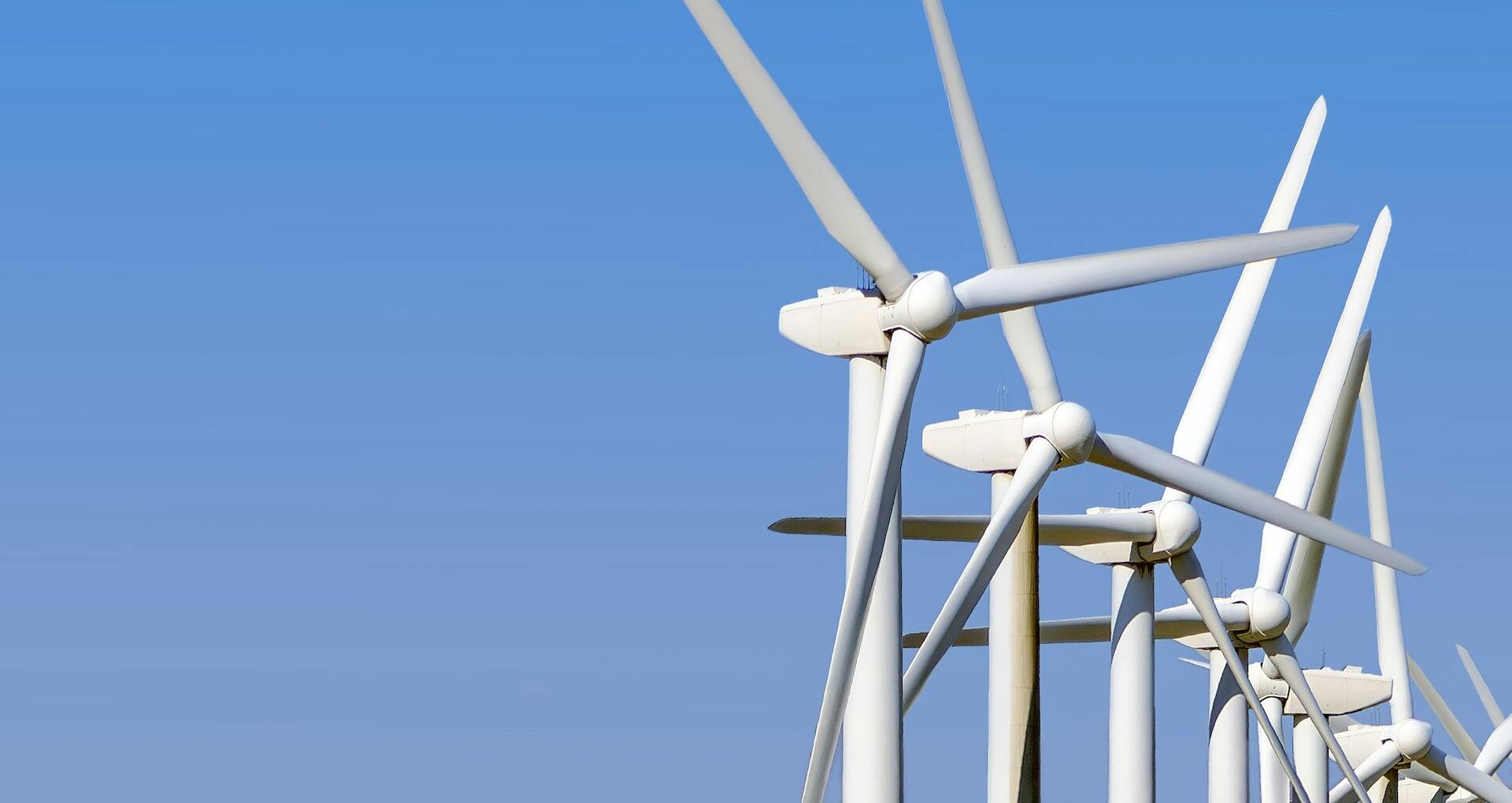
Wind Power, It’s A Part of the Future
This episode brought to you through the generosity of our supporters






RELATED POSTS
00:00:00:04 – 00:00:03:21
David Martin
This is the good government show.
00:00:03:26 – 00:00:09:11
Marguerite Wells
Offshore wind off New York is as efficient as a gas plant.
00:00:09:16 – 00:00:17:56
Marguerite Wells
Folks with fossil fuel interests are not interested in clean energy taking market share from them.
00:00:18:01 – 00:00:26:53
Marguerite Wells
Most of the offshore projects proposed now are out of sight over the edge of the horizon, so no one would see them anyway.
00:00:26:58 – 00:00:35:45
Marguerite Wells
The turbines themselves are reefs and are burgeoning fish populations as a result.
00:00:35:50 – 00:00:45:14
Marguerite Wells
A lot of folks are resistant to change of any kind, and so they find a reason to object whether or not it’s legit.
00:00:45:18 – 00:00:53:18
Marguerite Wells
We’re definitely behind the rest of the industrialized world, both in Europe and Asia.
00:00:53:23 – 00:00:58:42
Marguerite Wells
You know, voters in the state of New York overwhelmingly want clean energy.
00:00:58:46 – 00:01:20:55
David Martin
One U.S. government study found that wind power accounts for the most annual power of all renewable energy sources, more than solar. While it’s certainly lags far behind fossil fuels, it’s making a difference. On this show, I wanted to find out more about wind power, more about alternative energy sources, and how alternative energy advocates are helping government develop all forms of energy.
00:01:20:57 – 00:01:37:32
David Martin
Welcome to the Good Government show. I’m Dave Martin. First, help us show the message of good government by liking us and sharing us where we are. On all your favorite social media. Make sure to review us and share our show everywhere. We all need to talk about good government. Marguerite Wells is the executive director of the Alliance for Clean Energy, New York.
00:01:37:34 – 00:01:58:24
David Martin
She also oversees the New York Offshore Wind Alliance. I wanted to hear how she promotes alternative energy sources and works with government. The current administration attempted to shut down five offshore wind project, and they make it harder to start wind projects. You’re going to hear more about this. The president incorrectly calls wind turbines windmills. We’re not talking about windmills.
00:01:58:24 – 00:02:23:56
David Martin
Windmills are they’re very old technology, mostly used to grist or grind wheat into flour. We don’t do that anymore. Wind turbines create electricity. The administration calls them ugly, loud, a threat to fish and birds and national security. Marguerite Wells explains why those are simply not true problems. And she says wind power is a very steady form of alternative energy, and it has benefits like new jobs, cheaper power, cleaner air.
00:02:23:58 – 00:02:35:24
David Martin
But there’s a lot more. So coming up, a lesson in wind power with Marguerite Wells, the executive director of the Alliance for Clean Energy, New York.
00:02:35:29 – 00:03:02:08
David Martin
We have a new partner here in the Good Government Show. Hello, nation. This is a new digital magazine that showcases the best of cities across the nation. We’d all prefer if Good News traveled faster at Hello, nation. Positive stories don’t just get told, they get amplified. Hello nation helps businesses, leaders, and communities share positive stories that matter building trust, credibility and meaningful connection through professionally produced podcast, digital features and targeted distribution.
00:03:02:10 – 00:03:26:35
David Martin
Hello nation positions you as the answer regular folks are looking for, while expanding and scaling your digital footprint across the platforms that people trust. Good news deserves momentum. Your city or your business can help spread the word of good news across the nation. At Hello Nation, they don’t just have advertisers, they have editorial content from trusted community leaders and cities that are helping spread the good news.
00:03:26:38 – 00:03:35:37
David Martin
Let Hello Nation lift you up and lead the conversation. Visit hello to learn more.
00:03:35:42 – 00:03:53:57
David Martin
Once you wrap up this episode of The Good Government Show, give a listen to our friends over at Good News for lefties. This daily podcast highlights news stories that show there’s more good news out there. Other people in government are really trying to do the right thing. That’s good news for lefties. Listen where you’re listening now.
00:03:54:02 – 00:04:07:11
David Martin
Welcome to The Good Government Show. I’m happy to have with you someone who I’ve been trying to track down for months now. So thank you for joining me. I’m with Marguerite Wells. She is the executive director of the Alliance for Clean Energy, New York. Thank you for finally sitting down with me.
00:04:07:11 – 00:04:07:33
Marguerite Wells
Thanks for.
00:04:07:33 – 00:04:20:46
David Martin
Having me. You’re welcome. We’ve been talking for quite some time about sitting down and talking because clean energy, and especially offshore wind and wind energy is, I think we can all say is under attack.
00:04:20:49 – 00:04:22:05
Marguerite Wells
Yes it is. Absolutely.
00:04:22:08 – 00:04:26:08
David Martin
So first off, what is the Alliance for Clean Energy New York? What do you do?
00:04:26:10 – 00:04:34:55
Marguerite Wells
So we’re a nonprofit. We advocate for more clean energy in New York, everything from large offshore wind projects to EVs and home energy efficiency and everything in between.
00:04:34:57 – 00:04:40:47
David Martin
Let’s talk about wind power, because we’re going to spend a lot of time talking about wind power. What is it? How does it work?
00:04:40:50 – 00:04:55:59
Marguerite Wells
It works where you have a three bladed turbine standing in someplace windy, either offshore or onshore, and the wind pushes against the blades. They turn them around. That makes a generator generate electricity, and it goes down to cables that connect to the grid, and they help power the grid.
00:04:56:01 – 00:04:56:42
David Martin
How effective.
00:04:56:42 – 00:05:11:43
Marguerite Wells
Is it? About 35% efficiency factor, which compared to most gas plants in the state at about 60%, it’s not as efficient, but it’s very steady. And offshore wind is the steadiest of awesome offshore wind off New York is as efficient as a gas plant.
00:05:11:46 – 00:05:13:10
David Martin
Yeah, it’s as efficient.
00:05:13:12 – 00:05:18:36
Marguerite Wells
Yes, 99% of days last year the wind turbines were operating.
00:05:18:36 – 00:05:25:23
David Martin
And are they like 100 100% capacity some days and 5% capacity the other day is but they’re always working or how does.
00:05:25:23 – 00:05:25:40
Marguerite Wells
It work?
00:05:25:50 – 00:05:27:04
David Martin
Pretty much. That’s how it goes.
00:05:27:06 – 00:05:36:14
Marguerite Wells
Yes, that’s how it goes. But I think they had like a 56% capacity factor, which is to say that on average they were generated 56% of their total potential.
00:05:36:15 – 00:05:38:46
David Martin
So that’s pretty good. That’s very good okay.
00:05:38:49 – 00:05:43:32
Marguerite Wells
I mean, even gas and nuclear plants have to shut down for repairs all the time. So. Okay. It’s on par with that.
00:05:43:34 – 00:05:52:22
David Martin
We have a current administration at the federal level that doesn’t like wind power. They’ve said that they’re ugly, that they’re loud, and they kill birds. How do you respond to that?
00:05:52:24 – 00:06:18:22
Marguerite Wells
Well, their concern for birds is amusing to me, since they also advocate for lots of activities that are detrimental to our bird friends. It seems like that’s a ruse. It’s not really what it’s about. I think they’re more concerned about the threat from clean energy, because it is legitimately the fastest and lowest cost thing to bring to market, and folks with fossil fuel interests are not interested in clean energy taking market share from them.
00:06:18:22 – 00:06:25:05
David Martin
And, you know, fossil fuel has a finite life as opposed to wind and solar. That does not correct.
00:06:25:05 – 00:06:49:23
Marguerite Wells
Well, the wind and the sun will not stop happening to our planet. I mean, the equipment operating on any facility obviously has to get changed at an end of life. Also, fuels will ostensibly run out different estimates for different timelines. And of course, it depends on how quickly we use it up. I think as great a concern with fossil fuels is the cost of them and what that does to the markets, which we’re certainly seeing right now with the war in Iran.
00:06:49:25 – 00:07:05:46
Marguerite Wells
There’s no shortage of oil over there in the Gulf, but it’s a question of getting it to market and driving people’s economies nuts when the pricing goes crazy. And then there’s the climate change part of things which some people choose not to believe in. I once had a farmer say, well, I don’t I don’t believe in this climate change stuff, but the climate is changing.
00:07:05:51 – 00:07:09:12
Marguerite Wells
The farmer you can see every day, the climate is different than it once was.
00:07:09:17 – 00:07:17:28
David Martin
Did you win him over to your side? I’m trying. Okay. All right. What is the thing that people should be most excited about? When you think about wind power.
00:07:17:31 – 00:07:40:17
Marguerite Wells
That it is the cleanest energy that you can bring to urban centers along the coast, because that’s where a lot of people live. And you can’t bring a lot of solar power to the cities. There’s not enough routes. I mean, you can put solar on the roofs, and that’s a great thing. But offshore wind is a huge energy resource, and it’s very stable over the course of the day and over the course of the year, the wind blows almost the same amount all the time.
00:07:40:17 – 00:07:41:20
Marguerite Wells
And that’s pretty amazing.
00:07:41:22 – 00:08:00:31
David Martin
Well, I do sail a lot, so. Right. You would know there’s a lot of weird. There’s some days it’s not as much weight. But yes, there’s there’s always win. Let me just play the critic here for a moment. You know, people have complained that they don’t want wind turbines, you know, blocking the view, especially off places like Martha’s Vineyard in Massachusetts, on the Atlantic Ocean.
00:08:00:35 – 00:08:11:25
David Martin
You know, they’ve complained that they look ugly and just don’t make the skyline or the water line prettier. That seems to be the biggest argument against them. Are there others I’m missing?
00:08:11:40 – 00:08:33:53
Marguerite Wells
Well, certainly that’s one. Most of the offshore projects proposed now are out of sight over the edge of the horizon, so no one would see them anyway. Different constituencies have other concerns, you know, like shipping folks have been concerned. Well, you know, we won’t have as wide access to the shipping lanes. So the places that are allowed to be least have been very carefully picked to allow shipping lanes to still use their lanes so that we are not obstructing shipping.
00:08:33:56 – 00:08:40:09
David Martin
Same thing. Nobody’s going to put a wave turbine right off the right, right off the Verizon or Narrows bridge in front of your.
00:08:40:11 – 00:08:59:15
Marguerite Wells
Not a great place. You know, there’s also concerns from fishermen because they don’t want to have more obstructions in the sea, or they feel like the seabed is being taken away from them, whereas actually the turbines themselves are artificial reefs and our burgeoning fish populations. As a result, because you build an ecosystem out there in the small fish start growing and then the big fish eat them.
00:08:59:15 – 00:09:07:58
Marguerite Wells
And so it actually can be a good thing for fishing. But I think a lot of folks are resistant to change of any kind. And so they find a reason to object whether or not it’s legitimate.
00:09:08:00 – 00:09:21:40
David Martin
Now, I read somewhere that one of the benefits of wind power, anyway, is that this has actually become a very large industrial sector, that lots of jobs, lots of industry, lots of lots of work.
00:09:21:45 – 00:09:38:39
Marguerite Wells
And New York and and a lot of the other states that want offshore wind have worked very hard to ensure that it does turn into a jobs builder and that these are union jobs and that there’s manufacturing and that there’s enough of a supply chain built that it really does, you know, employ a lot of people at a good wage.
00:09:38:42 – 00:09:43:08
Marguerite Wells
And that has been happening in spades. There are thousands of people who have been building these offshore projects.
00:09:43:10 – 00:09:58:28
David Martin
And in the United States, compared to other countries. Have we fallen behind in our quest for wind power, and have we allowed other, other places to take the lead in both manufacturing of turbines and jobs for people working in the industry?
00:09:58:31 – 00:10:18:08
Marguerite Wells
Yes, we’re definitely behind the rest of the industrialized world, both in Europe and Asia. Asia has vast numbers of offshore wind deployed. It’s because it makes a lot of sense. It’s economic, it’s reliable and it’s homegrown. And I think the current war in the Middle East is showing us how exposed and dangerous it is to rely on fossil fuels.
00:10:18:08 – 00:10:22:13
Marguerite Wells
And if you can make power at home from anything else, you are in a better condition.
00:10:22:15 – 00:10:41:38
David Martin
So recently, I guess back in December, there were five win projects that were halted. One was the Empire Wind Farm here in New York, the Sunrise Wind Farm, which is also New York and New England Revolution Wind project. Those are just three of them. That was, I believe, off the coast of Rhode Island. Where are we with all these now, and are they?
00:10:41:40 – 00:10:43:19
David Martin
Is are we getting any wind out of them?
00:10:43:26 – 00:10:52:01
Marguerite Wells
A couple of them are generating. Yes. They have been able to get back to work, and some of them have gotten completed enough to start delivering electrons to the grid. Yes.
00:10:52:01 – 00:11:00:29
David Martin
So there was a lot of court cases. There was a lot of back and forth in court about stopping the projects and starting the projects. Are they all back on track?
00:11:00:32 – 00:11:02:22
Marguerite Wells
All those fiber back on track? Yes.
00:11:02:25 – 00:11:04:24
David Martin
Are they securely back on track?
00:11:04:27 – 00:11:14:16
Marguerite Wells
Well, nothing’s sure in this in this world, so I’m not betting on what happens tomorrow. But they are certainly working a pace and working as if they will get completed.
00:11:14:17 – 00:11:16:55
David Martin
What’s the thing about wind power? You’d like everyone to know.
00:11:16:57 – 00:11:35:15
Marguerite Wells
That it is much better for wildlife than the opponents would have, you know, so they are not actually killing lots of birds. They have no impact on whales whatsoever. All of that gets studied very, very diligently at the outset, and mitigation is being done by these projects ahead of time to end up with a net positive for the wildlife.
00:11:35:15 – 00:11:39:18
Marguerite Wells
So that’s all just a ruse used by the opponents to try to scare people off.
00:11:39:20 – 00:11:44:08
David Martin
Do wells offshore create cause more problems for birds than wind farms offshore?
00:11:44:10 – 00:11:46:12
Marguerite Wells
Yes. Spills are quite detrimental.
00:11:46:15 – 00:11:47:07
David Martin
Okay.
00:11:47:12 – 00:11:57:38
Marguerite Wells
And birds do fly into all solid objects that are tall buildings, far more than wind turbines. Even stationary towers like communication towers. Birds hit them in storms all the time.
00:11:57:40 – 00:11:58:19
David Martin
And planes.
00:11:58:21 – 00:11:59:31
Marguerite Wells
And planes too.
00:11:59:33 – 00:12:18:18
David Martin
So let’s just talk a little bit about how your organization ace the Alliance for Clean Energy. How do you work with government? Because this is the good government show. So we like to have people get excited about government projects. Tell me about how you work with government to help, you know, increase wind power and alternative energy sources.
00:12:18:20 – 00:12:41:09
Marguerite Wells
Sure. So we focus only on the state of New York. And so we work with the New York agencies that relate to energy. So there’s the Department of Public Service, there’s the Office of Renewable Energy Siting, there’s nicer, which is New York State Energy Research and Development Authority. We work with the Department of Environmental Conservation. All those folks have a hand in the in the puzzle of siting these projects, approving them and moving them forward.
00:12:41:09 – 00:12:42:45
Marguerite Wells
And we work with all of them every day.
00:12:42:45 – 00:12:51:01
David Martin
Why should government support this? Why should they give you no money to wind energy? Why is it important for government to get involved? Why can’t you just private industry, you just do it on their own?
00:12:51:04 – 00:13:07:10
Marguerite Wells
Well, there’s a both. And so one in New York. There’s an enormous amount of regulation. So they have to be involved in the permitting. Just by the way, the laws of the state of New York are put together in some states. The state has nothing to say about siting large energy projects. They build them wherever they want, however they want.
00:13:07:12 – 00:13:28:52
Marguerite Wells
Essentially, that’s not how it works in New York in terms of incentivizing clean energy. There’s huge amount of benefit because a bunch of prongs, one of them is health related. So when people live downwind of fossil fuel plants, they have negative health impacts. We saw that during Covid, where the neighborhoods that were downwind of the fossil fuel plants had the worst Covid because they have the worst lung condition in the first place.
00:13:28:54 – 00:13:48:12
Marguerite Wells
Same thing with transportation. Transportation is a huge source of particulate matter that is detrimental to people’s health. If we can get our transportation clean and get our electricity supply clean, that’s better for the health of the state of New York. So there’s the health part. Then there’s the jobs part. When we buy fossil fuel, it’s an endless train of spending money on that fuel.
00:13:48:12 – 00:14:10:23
Marguerite Wells
And all of that money goes out of state when you build renewable energy. The money going into that project stays here in the state for the jobs, the tax revenues, all of that is spent here. So it’s more of a circulating in our economy than it would be with fossil fuels. And lastly, it’s something that people want. You know, voters in the state of New York overwhelmingly want clean energy, which is part of why the state is trying to make it happen.
00:14:10:25 – 00:14:18:03
David Martin
And how does New York rate in terms of other states in clean energy and alternative energy sources? And is it rising?
00:14:18:06 – 00:14:34:43
Marguerite Wells
It is rising slowly, not as fast as we wish it were. New York State has very strong goals and targets for building clean energy. We are very low on the deployment end of the spectrum, in part because of how heavy the regulation is. It’s very challenging to get projects built here. So even though.
00:14:34:43 – 00:14:36:19
David Martin
Just because everything’s harder in New York.
00:14:36:21 – 00:14:38:43
Marguerite Wells
Everything’s harder in New York, kind of.
00:14:38:48 – 00:14:58:10
Marguerite Wells
To the point about working with agencies. We work with all of the agencies because all of them have layers of control and oversight over these projects, where in many Western states those agencies don’t even exist. Or if they do, they have no oversight over energy. Facilities are very little. And so projects get built as quickly as the developers can build them.
00:14:58:10 – 00:15:03:53
Marguerite Wells
Here in New York, it’s there is both a carrot and a stick at all times.
00:15:03:58 – 00:15:05:48
David Martin
And you never know which is going to hit you first.
00:15:05:50 – 00:15:06:58
Marguerite Wells
Yes. That’s right.
00:15:07:03 – 00:15:20:59
David Martin
All right. So let’s just talk a little bit about, you know, at the federal level, there was a real, you know, reluctance or stop actually to increase wind farms. How are states handling that? Are they picking up the slack in many places?
00:15:21:02 – 00:15:40:15
Marguerite Wells
Well it depends on the state and it depends on what slack. So there are certain things that the federal government controls that the states do not. So for example, airspace and the permits around tall, tall things that intercede in airspace. That’s not something the state regulates at all. That’s a federal function. Certain kinds of wetland permits, wildlife permits.
00:15:40:15 – 00:15:45:44
Marguerite Wells
Those are federal functions. So those agencies are either reviewing and approving projects, whether or not.
00:15:45:46 – 00:15:50:50
David Martin
So the states and the federal government have to work together to get more alternative energy source projects going?
00:15:50:53 – 00:15:51:46
Marguerite Wells
Very much so.
00:15:51:50 – 00:15:53:07
David Martin
Is it going well?
00:15:53:12 – 00:15:56:48
Marguerite Wells
It’s challenging. There have been a number of lawsuits.
00:15:56:48 – 00:15:57:31
David Martin
To say the least.
00:15:57:36 – 00:16:06:21
Marguerite Wells
My organization has been a plaintiff in two of them. Okay. Both of them have to do with the permitting of wind and solar projects at the federal level.
00:16:06:26 – 00:16:07:06
David Martin
And the federal level.
00:16:07:06 – 00:16:09:35
David Martin
The the federal level, they’ve made it harder to get permits.
00:16:09:35 – 00:16:10:37
David Martin
Correct?
00:16:10:40 – 00:16:12:52
Marguerite Wells
Correct. And in some cases, aren’t issuing them at all.
00:16:12:54 – 00:16:13:32
David Martin
At all.
00:16:13:35 – 00:16:14:08
Marguerite Wells
Yes.
00:16:14:11 – 00:16:15:56
David Martin
Is there anything the states can do for that?
00:16:16:03 – 00:16:30:14
Marguerite Wells
The states have been fantastically supportive in in the first of those lawsuits, the states were the lead plaintiffs. There were 17 state attorneys general, plus the District of Columbia, who were the lead plaintiffs in that suit to try to reopen permitting for wind.
00:16:30:17 – 00:16:31:29
David Martin
That sounds like good government.
00:16:31:31 – 00:16:33:24
Marguerite Wells
It was great.
00:16:33:29 – 00:16:37:14
Marguerite Wells
And they were wonderful to work with, and they were successful in that suit.
00:16:37:16 – 00:16:46:06
David Martin
Are the people who are trying to get the wind farms installed. Are they relentless in their pursuit, and are they are they moving forward as best they can?
00:16:46:11 – 00:16:48:09
Marguerite Wells
They are differing levels of relentless.
00:16:48:11 – 00:16:48:40
David Martin
Okay.
00:16:48:42 – 00:17:09:07
Marguerite Wells
Because the challenge is very great. And so some of your listeners might have seen how there was a hand back of three offshore leases in the government, paid the companies quite giant sums of money to basically stop trying to develop projects and just go away. So obviously those companies were willing to take a payout to stop developing their wind farms.
00:17:09:10 – 00:17:10:26
Marguerite Wells
Other ones have.
00:17:10:31 – 00:17:12:24
David Martin
That doesn’t sound like good government at all.
00:17:12:38 – 00:17:14:55
Marguerite Wells
No, no, I don’t think it was.
00:17:15:00 – 00:17:36:13
David Martin
Paying someone $1 million to stop working. Yes, that sounds like a waste of money, actually. And bad government. I’ve seen a lot of numbers here. One of them was, I think, the Sunrise wind farm. It said I read an article that said 12 turbines can power 70,000 homes. Does is does that make a difference? Is that enough? Is that what put that number in context?
00:17:36:15 – 00:18:00:43
Marguerite Wells
So there has been this idea that because renewable energy is variable, that it does not actually back down fossil fuel plants. And that’s a total fallacy. It does. And you can see it in real time. If you look at a picture, there’s real time graphs of how the New York State grid is operating in every given moment. And you can see that when wind and solar start generating, it drives gas off the grid, which is the basically the marginal thing that fills every gap.
00:18:00:43 – 00:18:15:35
Marguerite Wells
And so gas is a healthfully flexible fuel in the plants that we run it in. But every megawatt of clean energy we generate is one megawatt of gas we don’t have to use. And that’s what the warming doesn’t happen and pollution in neighborhoods doesn’t happen.
00:18:15:37 – 00:18:25:20
David Martin
You’ve been quite I’ve read some press releases that you put out been rather critical, called a baseless stop work order for offshore wind. Can you explain that?
00:18:25:22 – 00:18:29:22
Marguerite Wells
Sure. So in that circumstance, it was said that.
00:18:29:24 – 00:18:33:17
David Martin
This is what this is when the current administration was trying to shut down the wind farms.
00:18:33:19 – 00:18:53:04
Marguerite Wells
Right. And and the rationale given in the moment was that national security was at risk and these projects could not be constructed any further because there was some nebulous risk to national security, which has never been elucidated even in the resulting court cases. And it just seemed like a red herring. And so, yes, I said it was baseless because it seemed baseless.
00:18:53:04 – 00:19:06:53
Marguerite Wells
And there has, you know, even even Governor Kathy Hochul said, you know, if there’s a there’s a national security risk off the waters of New York State, I need to know what it is. Please tell me. And even the governor of New York has not heard anything about it.
00:19:06:58 – 00:19:17:22
David Martin
Well, yeah. And, you know, thanks for bringing that up because I had that in my notes somewhere is classified. National security risk is what these offshore wind farms pose, right.
00:19:17:24 – 00:19:43:45
Marguerite Wells
And so that’s just the baseless part. So every wind turbine has to get approved at the federal level and is reviewed in part by the Department of Defense. And this is a standard thing, these agreements that Department of Defense negotiates with every project onshore and offshore. The risks are known because basically wind turbines, their movement confuses certain rate arguments.
00:19:43:45 – 00:20:03:04
Marguerite Wells
And so I think the the thing that the government is construing here is that this proves a national security risk. There are many known fixes to this, and every one of them is engaged in these agreements that every project has already negotiated. These five projects that were stopped, they already had mitigation agreements in place with Department of Defense analyzing every possibility.
00:20:03:04 – 00:20:15:56
Marguerite Wells
And at the end of the day, the government has the right, if a genuine risk showed up, to shut those wind farms from operating while the risk is assessed, or while something is problematic. So they already have all the right they need, they didn’t need to do any.
00:20:15:56 – 00:20:20:17
David Martin
Of this. Has there ever been a risk cited or a risk discovered?
00:20:20:20 – 00:20:21:25
Marguerite Wells
Not to my knowledge.
00:20:21:29 – 00:20:23:32
David Martin
Would you know. Well.
00:20:23:36 – 00:20:33:17
Marguerite Wells
I certainly not not classified clearance in any way. However, I have never heard of an instance where one of these wind projects is shut down for that reason.
00:20:33:19 – 00:20:50:04
David Martin
Tell me where wind figures into alternative energy sources. You’ve got solar power, you’ve got nuclear power. You’ve got, of course, fossil fuel power, you know, hydropower. Where do all these fit in and how vital are wind farms in trying to come up with alternative energy sources?
00:20:50:06 – 00:21:09:58
Marguerite Wells
They’re really important, in part because they are relatively stable in windy places. The wind blows a lot and fairly steadily all year round. You know, if you live on a windy hilltop in in rural America, that wind is peeling at your shutters constantly and you know about it. And that is the kind of place you put a wind farm because it’s always generating electricity.
00:21:09:58 – 00:21:30:32
Marguerite Wells
So that’s very helpful. Solar, by contrast, has a very known pattern of generation. But everybody knows that after the sun sets, it’s not capturing any energy. Happily, the sun does generally shine when we’re using the most electricity. So that’s a great thing about solar power. And it’s a very good complement to wind power, which is a much steadier generation profile.
00:21:30:32 – 00:21:46:00
Marguerite Wells
How much it plays into a different power grid depends on where you are. So right now, State of Iowa gets over 60% of its electricity from wind power all the time. Not because they set out to have a clean energy standard per se, but because they’ve got a lot of wind and it’s very cost effective to capture it.
00:21:46:03 – 00:21:47:15
Marguerite Wells
Right.
00:21:47:19 – 00:21:49:48
David Martin
This is wind power cost effective.
00:21:50:00 – 00:22:13:27
Marguerite Wells
Yes. Very renewable energy broadly gets touted as having subsidies and as if that’s somehow a detriment. All energy is subsidized. Nuclear power has massive subsidies. It’s uninsurable. The government insures all the nuclear plants in the United States because it’s uninsurable, high risk if they were to fail. So there’s a massive subsidy. Oil and gas has permanent subsidies in the tax code.
00:22:13:27 – 00:22:27:53
Marguerite Wells
Renewables have never had any permanent subsidies of any kind. So when recently the federal government said, well, wind and solar are mature now, they shouldn’t need subsidizing. So we’ll just take the subsidies away. That made the playing field less even, not more even.
00:22:27:55 – 00:22:37:52
David Martin
I see here somewhere, I think this came from your office. A $5 billion tax credit is goes towards energy savings. 5 billion we save with this.
00:22:37:55 – 00:22:56:39
Marguerite Wells
Oh more than that. That’s just a particular batch of projects that my my group is advocating for the state to contract with, because we think that capturing those $5 billion in credits is worth it to the New York State ratepayer. We don’t want them going away because those credits are sunsetting, and so we want them captured before they sunset.
00:22:56:39 – 00:23:04:15
David Martin
But when, you know, you just talked about wind and solar, they must work together. And neither one of them are a final solution. Correct.
00:23:04:17 – 00:23:23:40
Marguerite Wells
That’s right. I mean, it’s it’s wind and solar and energy storage and hydropower and other resources. There’s lots and lots of different resources that are out there, but we need all of them right now because with load growth, it’s, you know, the rising rates people are seeing are mostly because of a shortage of electrons. There’s a supply and demand problem.
00:23:23:40 – 00:23:27:28
Marguerite Wells
So the quickest electrons we can put on the grid are going to be clean energy electrons.
00:23:27:30 – 00:23:29:18
David Martin
What would you like to future to be.
00:23:29:23 – 00:23:38:56
Marguerite Wells
All because I think climate change is a genuine threat. And we want energy that doesn’t pollute, doesn’t cause health problems, and doesn’t warm our planet.
00:23:38:58 – 00:23:50:31
David Martin
What do you say to the people of governments? No such thing. It’s not that bad. We’ve been through this before. We’ve seen high temperatures. You know, this is not, you know, a crazy idea in the cycle of the Earth.
00:23:50:34 – 00:24:04:42
Marguerite Wells
It’s not a crazy idea in the cycle of the Earth. It is a crazy idea in the cycle that humans have been alive on this planet. That’s the difference. Yes, the Earth will certainly survive, and some species will survive. Will we be among them? I think that’s an open question.
00:24:04:47 – 00:24:07:11
David Martin
Could you be a little more bleak?
00:24:07:16 – 00:24:13:06
Marguerite Wells
But that’s upon us. We can do something about it. That’s why I wake up every morning excited to do my job.
00:24:13:08 – 00:24:22:10
David Martin
We’re talking with Marguerite Welles, the executive director of the Alliance for Clean Energy. We’re going to come back. We’re going to ask you some questions.
00:24:22:15 – 00:24:46:04
David Martin
The Good Government Show is sponsored by our that’s our for our community. Get involved. We hear that all the time from government leaders. Our co brands with your governments name and logo. Your staff and the people you serve are connected and part of your community. From any device. Your members provide reliable data and meaningful feedback. Ask a question like do we want more parkland or better homeless services?
00:24:46:04 – 00:24:57:44
David Martin
More engaged conversations come through the our app. Visit our code that’s and book a demonstration.
00:24:57:49 – 00:25:26:52
David Martin
After you get done with this episode. Hear more good government stories with our friends at How to Really Run a City for memories, Kasim Reed of Atlanta and Michael Nutter of Philadelphia, and their co-host, journalist and author Larry Platt talk with guests and other mayors about how to really get stuff done in cities around the nation. Check them out where you’re listening now or through their nonprofit news site, The Citizen.
00:25:26:57 – 00:25:37:13
David Martin
So we have a questionnaire. I asked lots of different people in government. You’re not in government, but you work with government. So, you know, we’ve been talking about wind power and alternative energy sources. What is good government?
00:25:37:15 – 00:25:48:51
Marguerite Wells
It is government that is genuinely outcome oriented. It is not what’s written on the piece of paper. It’s the results. What do we get for our people? Do we get better health? Do we get lower rates? Do we get better quality of life?
00:25:48:53 – 00:25:49:36
David Martin
Are we getting that?
00:25:49:39 – 00:25:51:29
Marguerite Wells
In some cases, yes. Some cases no.
00:25:51:31 – 00:25:52:37
David Martin
What would you change?
00:25:52:38 – 00:26:26:10
Marguerite Wells
I would change duplicative regulation that works at cross purposes between agencies. I think there is much to be said for all rowing in the same direction. When I read the book abundance last winter, I felt there was enormous amount of truth to what I was reading there, because a lot of what, for example, when the discussion of why high speed rail in California has never been built, despite enormous support for it at every level of government and across the population, it has been death by a thousand cuts that has prevented that project from getting built.
00:26:26:10 – 00:26:38:04
Marguerite Wells
And it is the same with renewable energy here in the state of New York and in some other places as well. So getting everyone to row in the same direction and not come up with reasons to say no, but find ways to say yes.
00:26:38:07 – 00:26:47:13
David Martin
What should people do who want to see more offshore wind farms and want to see alternative energy sources, if not fast tracked, not sidetracked?
00:26:47:16 – 00:26:54:32
Marguerite Wells
Well, voting is certainly one thing that most people are able to do and that is hugely powerful. Vote for candidates that are interested in clean energy.
00:26:54:35 – 00:26:55:54
David Martin
What got you into all this?
00:26:55:56 – 00:26:58:15
Marguerite Wells
I was a full time farmer and a neighbor.
00:26:58:18 – 00:26:59:01
David Martin
What were you going?
00:26:59:06 – 00:27:10:14
Marguerite Wells
I was growing plants for green roofs, actually, a lot of succulents. I ran a wholesale plant nursery and the neighbor said, hey, we should have a wind farm in our town because we’ve got a windy hill and we’ve got a transmission line that crosses it. Let’s get let’s get a wind farm done.
00:27:10:17 – 00:27:11:10
David Martin
And you said, oh, great.
00:27:11:12 – 00:27:25:50
Marguerite Wells
I said, yes, and and I said, here, take my number, call me sometime if I could be helpful and called me up. He said, do you know what a PDF is? Can you print one of these? And I said, I do know what a PDF is and I can print one. And that’s what made me a wind developer.
00:27:25:54 – 00:27:41:29
David Martin
The next thing you know what, you work with government agencies at multiple levels, you know, here in New York State, at the state level, but also with other organizations. What would you like people to know about government that you probably don’t know?
00:27:41:34 – 00:27:45:03
David Martin
This is not a trick question, I promise.
00:27:45:08 – 00:27:46:08
Marguerite Wells
There’s just so much to.
00:27:46:08 – 00:27:48:03
Marguerite Wells
Pack in there.
00:27:48:07 – 00:27:51:53
David Martin
Well, you know, just just a small duffel bag, not a big suitcase.
00:27:51:58 – 00:28:07:57
Marguerite Wells
Yeah, I know exactly. The degree to which people do work at cross purposes can be challenging, but there are such wonderful people working in our state government that sometimes it’s just wildly refreshing to know that there are such good people. They’re doing their best to make it happen.
00:28:07:59 – 00:28:09:57
David Martin
What is the most rewarding part of your job?
00:28:09:59 – 00:28:12:44
Marguerite Wells
Seeing projects get built. All kinds of projects.
00:28:12:44 – 00:28:13:37
David Martin
How long have you been doing.
00:28:13:37 – 00:28:15:03
Marguerite Wells
This in this role? Two years.
00:28:15:06 – 00:28:18:39
David Martin
Okay. Have you seen and you’ve seen projects get built and finished or at least started?
00:28:18:42 – 00:28:20:03
Marguerite Wells
Yes, absolutely.
00:28:20:05 – 00:28:21:51
David Martin
What project are you the most excited about?
00:28:21:53 – 00:28:28:24
Marguerite Wells
I’m really excited about the offshore wind that’s under construction off New York right now, because that’s the cleanest energy that’s going to reach New York City.
00:28:28:27 – 00:28:29:41
David Martin
And where is that actually going to be?
00:28:29:43 – 00:28:45:52
Marguerite Wells
Oh, it’s it’s out of sight off the edge of the field of view off Long Island. Okay. But because New York City’s energy grid is over 90% fossil fuel, every megawatt of clean energy we can get drives down the ratio of fossil fuel and increases the clean energy for New York City residents.
00:28:45:54 – 00:28:49:57
David Martin
What is the biggest challenge? The Alliance for Clean Energy for New York is facing right now?
00:28:49:59 – 00:29:08:48
Marguerite Wells
The federal administration makes so much challenging about our job here in New York. It makes the state government have a greater challenge in front of them to help us bring projects forward, and it dampens the investment environment in the whole country. And so it makes other countries look more investable than ours. And that’s a real shame.
00:29:08:51 – 00:29:10:36
David Martin
Because we lose jobs and we lose industry.
00:29:10:38 – 00:29:16:31
Marguerite Wells
We lose jobs, we lose industry, we lose investment dollars in infrastructure that would be tax base for our communities.
00:29:16:36 – 00:29:28:52
David Martin
How far can you? I know nothing about this. I am not an engineer, but how far can you transmit wind energy via cable? I mean, can we use wind energy from Iceland or from Europe?
00:29:28:52 – 00:29:47:07
Marguerite Wells
That’s probably on the too far end, although, I mean, it can be done. Certainly there are already transatlantic cables and they could be done high voltage direct current, which is the most efficient way to transmit it. But that would be expensive enough that I think it would be prohibitive. We would be better off building those generation resources right here in the US.
00:29:47:12 – 00:29:50:22
David Martin
What is the biggest impact the Alliance for Clean Energy New York has had?
00:29:50:24 – 00:30:11:47
Marguerite Wells
We have advocated for and helped get across the finish line laws that help get renewables built here in New York. We have stood up on two lawsuits to date against the federal government trying to reopen permitting for renewables. That’s huge. And we stood up the New York Offshore Wind Alliance before any offshore wind was getting built here in the state and helped attract businesses that are building those projects.
00:30:11:49 – 00:30:17:46
David Martin
Now. Do you have a hero in the environmental movement or in clean energy or in government? Who inspires you?
00:30:17:49 – 00:30:19:06
Marguerite Wells
Teddy Roosevelt yeah.
00:30:19:08 – 00:30:22:32
David Martin
Teddy Roosevelt yeah. Okay. He didn’t build offshore wind farms, but.
00:30:22:34 – 00:30:23:13
Marguerite Wells
He didn’t know.
00:30:23:13 – 00:30:28:51
Marguerite Wells
But he did so many wonderful things. And I’m gonna I’m going to butcher a statement of his. But I haven’t talked to my.
00:30:28:51 – 00:30:30:19
Marguerite Wells
Well, and I love it every day.
00:30:30:29 – 00:30:34:31
Marguerite Wells
That that the real, the best thing in life is having work worth doing.
00:30:34:36 – 00:30:37:36
David Martin
Teddy Roosevelt. Good. What is your favorite place in New York?
00:30:37:38 – 00:30:50:13
Marguerite Wells
Gosh, there are so many. The Adirondacks is one Finger Lakes I have. Our family owns a little tiny gorge of our own and hidden hidden place in the woods. And I just love going to the gorge and just soaking up the moss.
00:30:50:16 – 00:30:52:06
David Martin
Okay. And he went out there?
00:30:52:18 – 00:30:54:08
Marguerite Wells
Yes, quite a lot.
00:30:54:13 – 00:30:56:20
David Martin
Do you have a wind turbine in your backyard?
00:30:56:23 – 00:31:03:44
Marguerite Wells
I spent nine years trying to put one there, and then an opponent from out of town came and crushed the whole project. And we lost all our money. And no, we didn’t get a turbine built.
00:31:03:46 – 00:31:05:22
David Martin
And then you got annoyed, and here you are.
00:31:05:27 – 00:31:06:42
Marguerite Wells
Yeah, that’s exactly right.
00:31:06:48 – 00:31:16:57
David Martin
Right. This is the good government show. So we always try to bring it back to good government. Tell me an example of something that you have been involved in that you know you’re really proud of that’s made a difference.
00:31:17:00 – 00:31:40:34
Marguerite Wells
Well, the first wind project I got built, which is in Lewis County in northern New York. It was 15 years that I spent in the wind business before I stood up my first turbines and my favorite part of that project. So there’s all different ways that revenue goes from a renewable project into the community. And as a developer, I really wanted to spread those benefits as far and wide as I could so that the most people would feel the backside of the turbines.
00:31:40:34 – 00:31:57:16
Marguerite Wells
And so this particular thing is. So we put money into a special pot that could be given around as a sort of revolving loan fund or grant fund for any local business that made a good pitch. And so there’s a restaurant in downtown Louisville called gems, which is everybody’s favorite place to go for date night.
00:31:57:19 – 00:31:58:00
Marguerite Wells
Best restaurant.
00:31:58:00 – 00:32:00:35
Marguerite Wells
In the whole county by a very large margin.
00:32:00:40 – 00:32:01:04
Marguerite Wells
Yep.
00:32:01:09 – 00:32:22:24
Marguerite Wells
I mean, probably a thousand meals there. And a couple of years ago, there was a flood at Jeb’s in a creek that had never once flooded. So they had no flood insurance. But climate change is changing. Things like floods to Jeb’s was flooded out, ruined the place. They didn’t have any pot of money to rebuild, but the wind money that we had set aside was given to them on revolving loan fund, and they rebuilt Jeb’s.
00:32:22:29 – 00:32:28:48
Marguerite Wells
In just a couple of months it was reopened and everyone can have a date night again. That that to me is one of the things I’m most proud of.
00:32:28:58 – 00:32:46:57
David Martin
You’ve had a date since that at Jeff’s. You’re all good. All right. Good. Well, it is a pleasure talking with you. Thank you so much for taking the time and, you know, really discussing wind power, where we are, where it’s at and what we can do about it. So Marguerite Wells, executive director for the Alliance of Clean Energy for New York.
00:32:46:59 – 00:32:47:55
David Martin
Keep up the good work.
00:32:47:57 – 00:32:48:45
Marguerite Wells
Thanks for having me.
00:32:48:47 – 00:32:52:54
David Martin
Thank you.
00:32:52:59 – 00:33:14:26
David Martin
The Good Government Institute has a new partner, the Charles F Kettering Foundation. I really like their podcast to context, and I bet you will too. They have a new series called Democracy Under Construction. The show is hosted by historian Alex Lovett, and he looks back at the first 250 years of U.S. history. Alex digs into the moments that have pushed us towards an inclusive democracy.
00:33:14:29 – 00:33:22:59
David Martin
You can find it where you’re listening right now, or visit Kettering and give them a follow.
00:33:23:04 – 00:33:40:58
David Martin
Want to hear more about good government? Check out another show I host leading Iowa Good Government in Iowa cities. I host the show with Brad Kavanagh, mayor of Dubuque, Iowa, and the immediate past president of the Iowa League of Cities. Together, we talked to leaders in Iowa cities. We talk about what works and what good government looks like in Iowa.
00:33:41:01 – 00:33:50:17
David Martin
Join us right here. We’re listening. Now that’s leading Iowa. Good government in Iowa. Cities.
00:33:50:22 – 00:34:11:32
David Martin
Well, here’s one thing I learned. At least in New York, wind turbines are just as effective as fossil fuel plants. Alliance for Clean Energy Executive Director Marguerite Wells explained that when you add it all up, wind turbines are year to year 56% effective statistically, about the same as fossil fuel plans. And she says wind turbines are working almost all the time.
00:34:11:35 – 00:34:33:09
David Martin
Sunny days, cloudy days, rainy days, dark nights. It doesn’t matter. A wind turbine is generating power. Here’s a quote. It’s economic, it’s reliable, and it’s homegrown. Good arguments for working more on wind power weather. A lot of departments in government and organizations like the Alliance for Clean Energy are working to promote and pave the way for alternative energy sources like wind power.
00:34:33:10 – 00:34:56:42
David Martin
And that’s good government and that’s our show. Thanks for listening. Please like us and share some of your friends and review us right here where you’re listening, and check out our website. Good Government show for extras. Help us keep telling stories of good government and action everywhere. Join us again for another episode right here. I’m Dave Martin and this is the Good Government show.
00:34:56:46 – 00:35:35:39
David Martin
The Good Government Show is produced by the Good Government Institute, a nonprofit organization promoting civic engagement and civic education. All donations to the show help promote trust in government. You can donate at Good Govt Institute. That’s good govt institute. Executive producers are Jim Ludlow, Dave Martin, that’s me and David Snyder. Jason Stershic is our editor and producer. Join us again to hear good stories about our government right here on The Good Government Show.
00:35:35:44 – 00:35:38:49
Narrator
This podcast is part of the democracy Group.
**This transcription was created using digital tools and has not been edited by a live person. We apologize for any discrepancies or errors.
Executive Producers:
David Martin, David Snyder, Jim Ludlow
Host/Reporter:
David Martin
Producers:
David Martin, Jason Stershic
Editor:
Jason Stershic