
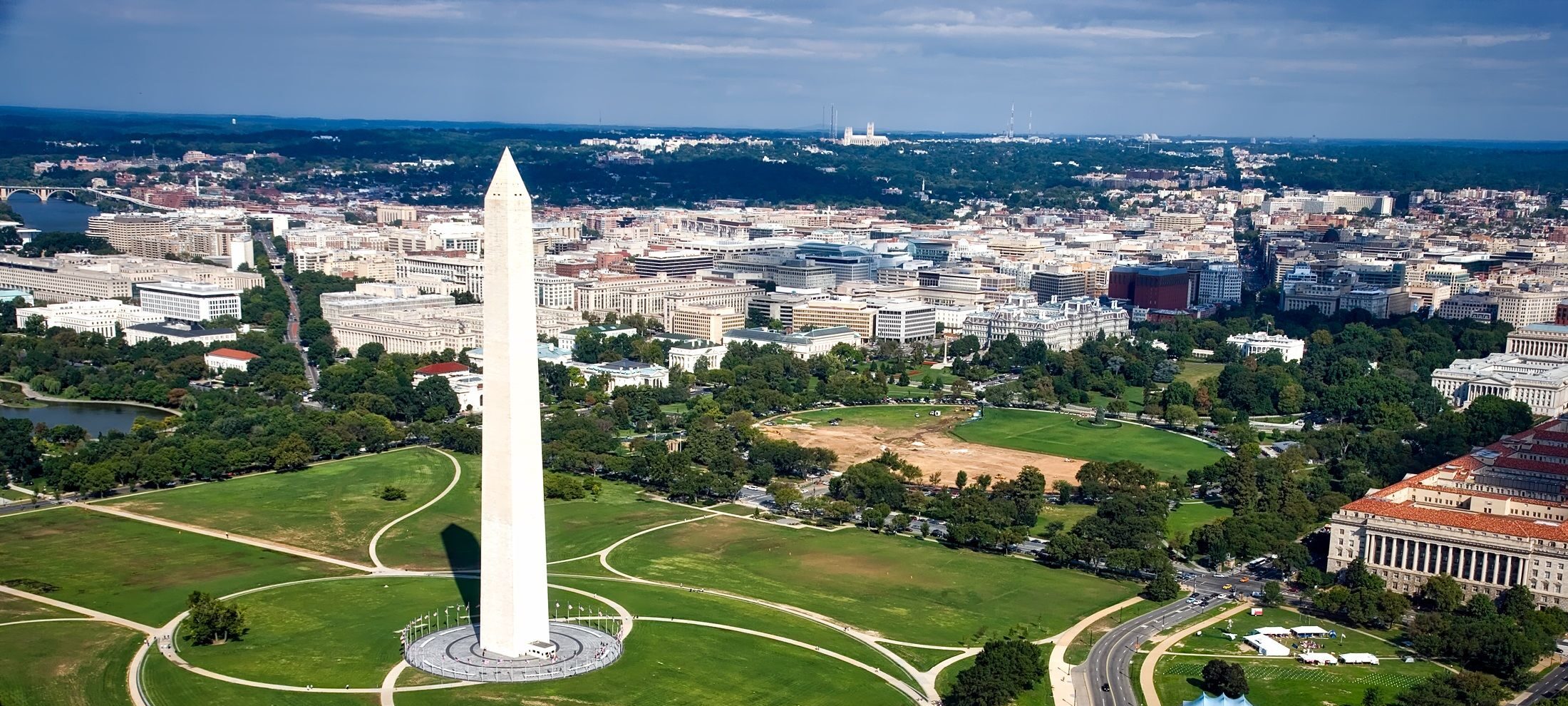
Big changes are underway in Washington DC. As the USA celebrates its 250th, it’s evolving. Nina Albert is the deputy mayor for planning and economic development and there’s a lot of both in the Capitol City.
Sports and Mac and Cheese in DC
This episode brought to you through the generosity of our supporters





RELATED POSTS


00:00:00:04 – 00:00:03:07
David Martin
This is the good government show.
00:00:03:11 – 00:00:09:54
Nina Albert
I think that government work is underappreciated.
00:00:09:59 – 00:00:21:13
Nina Albert
And cities, if you can imagine in the future, are going to have a lot more entertainment and cultural uses. And DC already has a great start.
00:00:21:17 – 00:00:28:31
Nina Albert
Small businesses are our primary employer of our residents.
00:00:28:36 – 00:00:36:24
Nina Albert
The most important economic unit for any city is the employed resident.
00:00:36:29 – 00:00:43:21
Nina Albert
It is money well spent. The question is how much money?
00:00:43:26 – 00:00:55:13
Nina Albert
At first we were hoping that for every dollar in we would get $10 back. We have exceeded that and more quickly than we ever anticipated.
00:00:55:18 – 00:01:02:08
Nina Albert
Government work is important. Work. There’s no other entity that can substitute for it.
00:01:02:13 – 00:01:20:21
David Martin
There’s no other city in America like Washington, D.C.. On this episode, I talk with the deputy mayor for Planning and economic development. We talk about the changes going on in the capital city, and now it’s also a city of neighborhoods and city residents, all as the city celebrates the nation’s 250th birthday. Welcome to the Good Government show. I’m Dave Martin.
00:01:20:23 – 00:01:40:15
David Martin
First, help us share the message of good government by liking us and sharing this where we are. And all your favorite social media. Make sure to review us and share our show everywhere. Pass it around. We all need to talk about good government. Dena Albert is the deputy mayor for planning and Economic Development for Washington, DC. She’s also a recent National Academy of Public Administration public service champion.
00:01:40:20 – 00:01:59:21
David Martin
Her biggest challenge, she said, is getting people to move to different parts of the city and move into apartments that used to be office space that is changing neighborhoods. And as she’ll tell you, making city planners rethink what DC’s downtown will look like and who’ll be there. Washington is the home of the Nats baseball team, the capitals hockey team, and the Wizards basketball team.
00:01:59:21 – 00:02:17:22
David Martin
So we had to talk sports. And how a city is investing in sports can pay off. We talked about fun places to go in DC, and we talked about our quest for DC’s best mac and cheese. That’s all. Coming up next with Nina Albert, deputy mayor for Washington, DC.
00:02:17:27 – 00:02:44:11
David Martin
We have a new partner here on the Good Government Show. Hello Nation. This is a new digital magazine that showcases the best of cities across the nation. We’d all prefer if Good News traveled faster at Hello Nation. Positive stories don’t just get told they get amplified. Hello nation helps businesses, leaders, and communities share positive stories that matter building trust, credibility and meaningful connection through professionally produced podcast, digital features and targeted distribution.
00:02:44:14 – 00:03:08:34
David Martin
Hello nation positions you as the answer regular folks are looking for, while expanding and scaling your digital footprint across the platforms that people trust. Good news deserves momentum. Your city or your business can help spread the word of good news across the nation. At Hello Nation, they don’t just have advertisers, they have editorial content from trusted community leaders and cities that are helping spread the good news.
00:03:08:36 – 00:03:17:40
David Martin
Let Hello Nation lift you up and lead the conversation. Visit Hello Nation to learn more.
00:03:17:45 – 00:03:36:35
David Martin
Once you wrap up this episode of The Good Government Show, give a listen to our friends over at Good News for lefties. This daily podcast highlights news stories that show there’s more good news out there. Other people in government are really trying to do the right thing. That’s good news for lefties. Listen where you’re listening now.
00:03:36:39 – 00:03:47:54
David Martin
Welcome to The Good Government show. I’m happy to have with me Nina Albert. She is the deputy mayor for planning and economic development for the District of Columbia. That’s why D.C., welcome to the Good Government show. Glad to finally have you on.
00:03:47:55 – 00:03:48:46
Nina Albert
Glad to be here.
00:03:48:48 – 00:04:06:40
David Martin
Good. So we’re going to talk about all things D.C.. Lots to get to. There’s a lot going on in Washington. I will be there next week. As a matter of fact, I go there regularly. But first, this is a topic we talked about a couple of years ago. How is D.C. statehood coming along? Is there a chance is it going to happen?
00:04:06:42 – 00:04:39:19
Nina Albert
Well, it will happen because at some point the American people will realize that this enfranchised 700,000 individual Americans that happen to live in Washington, D.C. from representation in Congress is not equitable, fair, nor what freedom stands for. So it will happen. The District of Columbia will continue to fight for statehood. But in the meantime, we are focused on making sure that the District of Columbia is one of the great places in the world to live, to visit, and to do business.
00:04:39:19 – 00:04:53:32
David Martin
Just to stay on stage for just a moment. And then we’ll move off, as I think from my from the story I did a couple of years ago, I think D.C. as a state would be like in the top 20 in population. I think you’re bigger than like 4 or 5 other states. Correct?
00:04:53:32 – 00:05:12:38
Nina Albert
We are. I can’t name the states off the top of my head, but our population is 700,000, right? You know, and we are seeking to grow, as you know, most cities do over time. But we have had a history of uninterrupted growth for the past 20 years or so. And that’s the trajectory that we want to stay on.
00:05:12:38 – 00:05:28:52
David Martin
And, you know, I’ve been going to D.C. regularly for years now, and I can certainly see the differences. You know, when I travel around, you go to places, you go to bars and restaurants and they’re full and you get on the metro and it’s clean. By the way, congratulations. I’m in New York City. I don’t know how you do it with fabric, but well done.
00:05:28:52 – 00:05:46:55
David Martin
But, you know, it’s busy. There’s lots there’s lots of places going and there’s lots of places going on. So you are the deputy mayor for planning and economic development. What’s going on? What’s the plan for DC for the future? And how are you spending the people’s money to develop new industry, new business and new residences?
00:05:46:58 – 00:06:14:20
Nina Albert
Yeah. So my purview is quite broad. It includes housing and our housing investments. I’m going to stick with housing for a moment because for most high. Well, actually across the United States right now is obviously a housing crisis. There’s a desire across all states to produce more housing to accommodate the population that they have in the District of Columbia and in other high cost cities.
00:06:14:23 – 00:06:23:08
Nina Albert
The focus is on affordable housing and making sure that people can buy the houses or rent the houses that the population that we currently have seeks.
00:06:23:08 – 00:06:36:48
David Martin
So we say affordable houses. We’re talking about all levels of affordable housing for for folks who need a lot of economic assistance and public assistance. And then for people who are like 23 years old, just out of college and looking for their first job, we’re talking about the levels, right?
00:06:37:00 – 00:07:01:08
Nina Albert
We have a focus on, you know, if the city is going to contribute to housing and the production of housing. We are focused on people who are in the workforce housing range, meaning their earning less than or in the band of 60 to 80% of area median income. And then, of course, we’re focused on making sure that lower income folks are also accommodated and have housing.
00:07:01:10 – 00:07:02:41
David Martin
Right. So housing.
00:07:02:46 – 00:07:32:01
Nina Albert
Is one area that we’re focused on economic development, meaning growth of industries right now, diversification of our economy, because Washington, D.C. has a very strong federal government presence right now, the federal government is contracting and laying off people. And so we’re seeing a bump in unemployment in Washington. And so we need to make sure that people who are well educated and forget, well-educated, also ready to work, right, are, you know, are meaningfully employed.
00:07:32:01 – 00:07:54:38
Nina Albert
So we are focused on that. But coming out of Covid, almost all major cities and maybe even minor cities are dealing with the adoption of telework and that the office market has softened considerably. And so our goal is really to make sure that our downtowns are vibrant. And so that’s another big component.
00:07:54:43 – 00:08:14:25
David Martin
Less people are going to the office. That means less people are going out to get coffee in the morning. That means less people are having lunch out. That means less people are going happy hour. That means less people are standing out for dinner. So as a city, as a city planner, how do you invest? You no government dollars wisely in, you know, helping those businesses or changing the dynamic of that downtown area?
00:08:14:25 – 00:08:38:55
Nina Albert
Well, part of what we are doing right now is making sure that we like the parts of town that have really rebounded immediately. Post-Covid are parts of town that have a mix of uses, have a mix of office, residential, retail and hotel. And so that is one component of the work is the actual change in the physical inventory of space.
00:08:39:09 – 00:09:07:15
Nina Albert
And how do you fill that space. So we want to fill existing office to the extent that we can, but we also want to convert office to residential. So DC incentivizes that by having a housing in downtown tax abatement and incentive. We also have now an office to anything because we recognize that there’s demand for hotel and there’s demand for entertainment and cities, if you can imagine in the future are going to have a lot more entertainment and cultural uses.
00:09:07:17 – 00:09:28:57
Nina Albert
And DC already has a great start. So we’re doing that. But we’re also continuing to support local businesses, which is what you are asking about, which is kind of the retailers and helping them shift from if they are a daytime patronage, you know, if they were a lunch spot, right, for office spaces and now they can no longer be supported.
00:09:28:59 – 00:09:46:43
Nina Albert
We want to make sure that that entrepreneur, that that retailer has a path to figuring out how they might pivot. And so we’ll do direct technical assistance as well as provide grants and the like to make sure that that business that has been successful can shift and pivot to whatever their new model is going to be.
00:09:46:46 – 00:09:48:55
David Martin
And how is that government dollars well spent?
00:09:48:58 – 00:09:57:45
Nina Albert
Well, you know, small businesses are our primary employer of our residents. And so investing in small businesses.
00:09:57:48 – 00:10:03:45
David Martin
So these are like local shops. These are the places on Wisconsin Avenue that, you know, the little local stores there.
00:10:03:50 – 00:10:09:33
Nina Albert
These are shops as well as contractors as well as, you know, I mean it’s a whole variety.
00:10:09:35 – 00:10:12:11
David Martin
And individual restaurants, family owned places like that.
00:10:12:13 – 00:10:35:59
Nina Albert
Sure. So we have locally owned businesses or businesses that have located here, and they are the biggest employer of local residents. And so when you you know, Mayor Bowser always says, and it’s true that the most important economic unit for any city is the employed resident. They’re paying income taxes, they’re paying property taxes, and they’re shopping local. Yes.
00:10:36:00 – 00:10:48:04
Nina Albert
So that’s kind of the trifecta, which is why we’ve been working so hard on improving the quality of our schools. And we’ve done incredibly well in that and in making sure that people can afford to live here.
00:10:48:04 – 00:11:07:29
David Martin
So one of the things that you have to deal with as a city is the presence of the federal government. How do you balance the two, you know, the need for local with the directives that don’t always line up from the federal government affecting the local government, you know, how do you how do you, I guess, balance that tightrope?
00:11:07:31 – 00:11:39:30
Nina Albert
Well, Washington, D.C. is special. We are it’s the federal government. We always have been. We’ve been a city that has evolved as a result of being the capital city. And so the relationship between local government and the federal government has always been one that has been collaborative. It does not matter who the administration is. There’s always a relationship between the mayor of the District of Columbia and the president of the United States and all the congressional overseers that live here, many of them, and that certainly work here.
00:11:39:30 – 00:12:10:30
Nina Albert
So that balance, particularly when times change, is to make sure that there is an open dialog and to focus on areas of shared interest. And so right now, as we’re preparing for America 250 and celebrations around, you know, the U.S. centennial celebration of our independence, we’re working on making Washington, D.C. beautiful. And the federal government owns a lot of land here, and they are reinvesting in it and a lot of deferred maintenance, frankly, that hasn’t been taken care of for years.
00:12:10:30 – 00:12:20:11
Nina Albert
And so I think as a result of the investments that the feds are making in physical infrastructure in Washington, D.C., we’re going to have a more beautiful city that results.
00:12:20:13 – 00:12:36:09
David Martin
There’s one thing I did want to talk about. It was I read about this. It’s the gallery place. Chinatown. Task Force Chinatown is next to the Capital One Arena. Very popular spot. I’ve been there many times myself, you know, often in the area. I guess the Capital One Arena at one point was threatening to leave. Now they’re going to stay.
00:12:36:12 – 00:12:37:55
David Martin
How are you reimagining Chinatown?
00:12:37:55 – 00:13:07:05
Nina Albert
I’m so excited that you asked this question because this is what we are reimagining for Gallery Place. Chinatown is really about the future of our city. At the core, at the heart of Gallery Place Chinatown is something called the Reynolds Center. It’s owned by the Smithsonian, it’s the American Art Museum and the National Portrait Gallery together. When you look at the very first plans for Washington, DC that were designed by Pierre Lanthorn, the Reynolds Center is at the heart of everything.
00:13:07:07 – 00:13:23:26
Nina Albert
It’s where all of the museum focuses. So within walking distance is the National Archives are Convention Center, the Capital One Arena, our central library, and then of course, the National Mall. And so with all of the Smithsonian offerings that are there.
00:13:23:28 – 00:13:26:09
David Martin
And I just had I been to all of these many times. So I know.
00:13:26:14 – 00:13:57:57
Nina Albert
Exactly I mean, it’s the it’s what we call the heart of downtown. Right? And we have 18 theaters, museums and cultural institutions within a mile radius of the Reynolds Center. And so when we thought that there was a chance that Monumental Sports and entertainment, which owns our NHL hockey league, as well as our NBA men’s and women’s professional teams, was going to leave Washington, D.C. Mayor Bowser jumped into, you know, fast gear.
00:13:58:00 – 00:14:28:00
Nina Albert
We created a committee of people, which I co-chaired with two of DC’s leading developers, and we reimagined what we could do with these two blocks that were adjacent to Chinatown, that were adjacent to the Reynolds Center and said, okay, what else could it be? So that in the future, without that arena there, it could be the most vibrant arts and entertainment and cultural district, not only for DC, but for the region and for the nation.
00:14:28:00 – 00:14:54:39
Nina Albert
Fortunately, Monumental Sports and Entertainment saw these plans, said, wow, I want to be a part of that future. And they remained in Washington, D.C. so now we are looking at creating and it’s already there, but we just need to kind of modernize, revitalize this area. And we’re investing in public infrastructure. We’ve invested in the new arena, and we are culturally investing in the future of Chinatown.
00:14:54:39 – 00:15:04:10
Nina Albert
So that that particular neighborhood, which has deep authenticity and history to the District of Columbia, remains vibrant for years to come.
00:15:04:12 – 00:15:07:24
David Martin
And a huge arch that let you know you’re in Chinatown love.
00:15:07:24 – 00:15:18:52
Nina Albert
That lets you know that you’re in China. But you don’t just want the arch, right? You like want to go and eat an incredible Chinese restaurants and incredible other Asian restaurants. And so it’s that kind of stuff that we’re looking to incentivize.
00:15:18:52 – 00:15:22:07
David Martin
And I often just walk down another block and stop into Clyde’s and.
00:15:22:11 – 00:15:42:20
Nina Albert
And there you go. And you can go to e-sports betting. You can go to the portrait gallery. I mean, you can the Ford’s Theater, which is unfortunately where President Lincoln got shot, but is a historical national owned by the National Park Service. I mean, the richness of history and modern day entertainment is all concentrated in this area.
00:15:42:22 – 00:15:54:45
David Martin
Yes it is, it’s it’s a great like I said, I always stop at at Clyde’s, either the one in Georgetown or the one by the Verizon Center or, I’m sorry, the Capital One Center now, because it’s it’s DC’s premier Sports Tavern, I would say. Is that fair? Yes.
00:15:54:50 – 00:15:55:55
Nina Albert
Oh, absolutely.
00:15:55:57 – 00:16:18:18
David Martin
So, you know, there has been you know, we talked a little bit about sports. You know, one of the things that people talk about, you’re building a new football stadium, explain why it is that cities should invest in, you know, sports teams that make millions and millions of dollars and use government dollars to help support a basketball team, a professional hockey team, a baseball team, a football team.
00:16:18:18 – 00:16:19:30
David Martin
Why is that money well spent?
00:16:19:32 – 00:16:47:40
Nina Albert
Well, I will say it is money well spent. The question is, how much money and what are you getting out of it? So every city is a little bit different. But in this town in Washington, D.C., we have seen sports be the anchor of mixed use communities. And the two investments that have already delivered for us are Nats Ball Park, where it used to be, fallow, Warehouse District around it, right on our waterfront, and Audi Field.
00:16:47:47 – 00:17:15:41
Nina Albert
And so the district for Nats ballpark paid for the entirety of Nats ballpark $600,000,000.20 years ago. Today, there’s more than 12,000,000ft² of mixed use development around it, generating real property taxes, real income tax, real business tax to the district. And so we’ve exceeded our expectations in what we call the return on investment. So at first we were hoping that for every dollar in we would get $10 back.
00:17:15:45 – 00:17:34:35
Nina Albert
We have exceeded that and more quickly than we ever anticipated at the Wharf, which is not a sports anchored development but is right adjacent to Audi Field. They have paid off their bonds in 15 years when we had created a 30 year bond structure.
00:17:34:35 – 00:17:44:51
David Martin
So this is this is what I’ve been there many times. This is a waterfront section, lots of bars, lots of restaurants. I think there’s a big theater there, lots of apartments. And it’s and it’s always busy and beautiful. Well done.
00:17:44:53 – 00:18:07:42
Nina Albert
Exactly. And so there’s a dynamism to sports, particularly when you layer on concerts and the music that sports venues can host. I just went to a Bruce Springsteen concert and at spark, I mean, you need that size of venue to be able to host that scale of event and to be able to host that scale of event year round is tremendous.
00:18:07:42 – 00:18:32:00
Nina Albert
So the question is, you know, every city has to wrestle with the math. How much can you afford and what’s it going to get back to you? But in the District of Columbia case, we have found that the return is multifold. What we anticipated, because we tend to go into those negotiations with a very conservative approach. So we tend to come back out of it doing better than we anticipated.
00:18:32:00 – 00:19:05:00
Nina Albert
And the NFL is no different. You know, football stadiums are always debated. They’re only being used 9 to 12 times a year. Our football stadium is going to have a roof on it. So it can be used year round. And there is mixed use development close to 6,000,000ft² associated with this. And then the most important part that has been a massive return to the District of Columbia is developing out our waterfront properties and connected the historically disenfranchized communities into those opportunities with jobs, with business opportunities, and then unlocking the value of the land.
00:19:05:03 – 00:19:16:38
David Martin
All right. I could talk to you about D.C. for a long, long time. I think we’ve hit on most of the major issues, but I do have a series of questions I want to ask, and that we’re going to do that in just a moment.
00:19:16:43 – 00:19:40:27
David Martin
The Good Government Show is sponsored by our. That’s. Oh, you are for our community. Get involved. We hear that all the time from government leaders our co brands with your government’s name and logo. Your staff and the people you serve are connected and part of your community. From any device. Your members provide reliable data and meaningful feedback. Ask a question like do we want more parkland or better homeless services?
00:19:40:27 – 00:19:52:12
David Martin
More engaged conversations come through the our app, visit our code that’s and book a demonstration.
00:19:52:17 – 00:20:17:49
David Martin
After you get done with this episode. Hear more good government stories with our friends at How to Really Run a City for memories, Kasim Reed of Atlanta and Michael Nutter of Philadelphia, and their co-host, journalist and author Larry Platt talk with guests and other mayors about how to really get stuff done in cities around the nation. Check them out where you’re listening now or through their nonprofit news site, The Citizen.
00:20:17:54 – 00:20:21:20
David Martin
It’s.
00:20:21:25 – 00:20:30:07
David Martin
So we have a questionnaire that I ask everyone, and I’m looking forward to some of your answers. We always start with the hardest question first. What is your definition of good government?
00:20:30:07 – 00:21:05:51
Nina Albert
I think good government is government that works for the people, that it is primarily serving the basic needs of the entire community, and that it is making sure that inclusion and equity is at the source of it, because you are responsible for the entirety of the city or the jurisdiction. I think it is secondarily making sure that the discretionary dollars that you have are going to the areas of greatest priority in the District of Columbia, housing is at the top of that list, and affordable housing in other cases, it may be getting people jobs and business development and making sure that there’s employment opportunities.
00:21:05:51 – 00:21:36:39
Nina Albert
In other cases, it might be education. So whatever the top priorities, any discretionary dollars are going to those items. And then third, I think that, you know, D.C. has had 30 consecutive balanced budgets and we have done well as a city. And so we have used additional dollars that we have access to to make sure that we are a beautiful, great and safe place to live and for people to come and visit and to really represent the nation well by having a beautiful nation’s capital.
00:21:36:42 – 00:21:58:01
David Martin
The reason why we’re talking is because you are a government champion from the National Academy of Public Administration, so congratulations on being a champion. You’ve had a long career in public service. You were the commissioner of Public buildings for the General Services Administration. You’ve worked for Washington’s Metro Transit. You’re back working for the city. What drew you to public service and why do you stay in public service?
00:21:58:02 – 00:22:29:22
Nina Albert
Well, for me, what draws me to it is the impact that I can have. I am somebody who is an efficiency geek and freak. And to your point, what makes good government is government that is working at the pace of business and at the pace of people’s needs. And so for me, there’s nothing more exciting than being able to take the precious resources that we have and making sure that it is going back directly to benefit individuals, businesses and communities as quickly as possible.
00:22:29:24 – 00:23:02:39
Nina Albert
So the impact, I mean, there is nothing you can’t get to the scale in a private enterprise that you can then when you’re working for government, when I work for the federal government, being able to impact, you know, 270,000,000ft² across the entire United States and six territories, I mean, there’s no policy platform that is bigger than that in Washington, D.C. there is no policy platform that’s more meaningful than being able to figure out how to provide efficient government as well as housing for all.
00:23:02:39 – 00:23:07:39
Nina Albert
So it’s just the scale and the impact that you can have with the platform that you’ve got.
00:23:07:41 – 00:23:10:12
David Martin
Who inspires you in public service in politics?
00:23:10:14 – 00:23:34:54
Nina Albert
Oh, wow. So many people. Honestly, I’ve taken my lessons from almost every leader that I’ve worked for, from Anthony Williams to Mayor Fenty to Mayor Gray and then now Mayor Bowser. By the way, I’ve also worked in private practice, and I am always inspired by not just the efficiency of private leaders, but also the ability to build culture in a way that is more complicated when you’re in government.
00:23:34:54 – 00:23:45:32
Nina Albert
And so I’ve taken the best of my experiences in the public sector and in the private sector, and make my try to make myself better and trying to make my organization better in whatever role I’m serving.
00:23:45:34 – 00:23:52:50
David Martin
You’ve had a long career, as I said, in public service at both the federal and local level. What would you like people to know about government that they probably don’t know?
00:23:52:53 – 00:24:22:03
Nina Albert
I think that government work is underappreciated. Most people don’t understand that. Most government workers are hearing on a daily basis, on a weekly basis, probably from depends on the size of your community. But you know, hundreds of people and you’re trying to resolve everybody’s issues. And so sometimes that takes time to resolve. But those people who are doing that work are there to serve, and they take that mandate with great pride.
00:24:22:03 – 00:24:47:45
Nina Albert
So get to know your government worker, understand and help be a part of making it more efficient, because that’s often what most people struggle with is the efficiency component. But I think that government work is important work. There’s no other entity that can substitute for it. And so getting be a part of the government process, because there is no substitute for the neutral party that is there.
00:24:47:45 – 00:24:51:49
Nina Albert
And their entire mission is to serve the community and the public.
00:24:51:52 – 00:24:56:35
David Martin
What’s the best part about being the deputy mayor for Planning and Economic Development for Washington, D.C.?
00:24:56:39 – 00:25:21:07
Nina Albert
One being able to serve my community, my hometown. There’s no greater calling and point of pride under this mayor and under past mayors. Washington, D.C. can move actually at a pace that other cities can’t because we actually don’t have a state to report to. And so we actually have great flexibility. But being home to the nation’s capital gives us a global and national reach in addition to serving our locality.
00:25:21:07 – 00:25:25:28
Nina Albert
And that is incredibly exciting to be able to operate on all three of those stages.
00:25:25:30 – 00:25:32:35
David Martin
What is your favorite local dish in Washington, D.C.? Do you have a place that you go to a figure order? What’s the cuisine of D.C. for you?
00:25:32:37 – 00:25:36:58
Nina Albert
Oh my gosh, I mean, D.C.. Do you know DC is like a culinary Mecca?
00:25:37:01 – 00:25:37:54
David Martin
Yes it is. Yes.
00:25:38:01 – 00:25:50:07
Nina Albert
I mean, we’ve got 28 Michelin star restaurants, however many James Beard’s. I mean, it goes on and on. I’m a foodie. I dumped myself the foodie mayor for a minute because I eat out so darn much.
00:25:50:10 – 00:25:50:26
David Martin
All right.
00:25:50:26 – 00:26:02:19
Nina Albert
Good. But, you know, I mean, I love so many restaurants. I mean, I can’t even pick, but right now, I’m on a fixation of finding the absolute best macaroni and cheese.
00:26:02:23 – 00:26:04:04
David Martin
And it’s not what I expected.
00:26:04:06 – 00:26:15:51
Nina Albert
I know, I know, but because you have to have a through point, you know, and a way to compare everybody you can compare people on based on three things how they cook bread, the Caesar salad that they serve, and macaroni and cheese.
00:26:15:51 – 00:26:17:32
David Martin
All right. So macro cheese. Where are we going.
00:26:17:34 – 00:26:18:08
Nina Albert
Yeah. So we’re.
00:26:18:08 – 00:26:19:37
David Martin
Going to be a barbecue place right.
00:26:19:39 – 00:26:21:53
David Martin
It’s not. Oh no. Where.
00:26:21:58 – 00:26:30:43
Nina Albert
It’s right on the corner of ninth and F in north northwest. I’m sure all the other restaurants are going to hate me for saying this on your show, but that is the best mac and cheese that I’ve seen.
00:26:30:43 – 00:26:32:12
David Martin
So far. The Smiths. The Smith.
00:26:32:14 – 00:26:33:50
David Martin
That’s right. By the National Portrait Gallery.
00:26:33:50 – 00:26:34:14
David Martin
I believe.
00:26:34:14 – 00:26:43:40
Nina Albert
It’s right next to the portrait gallery. They add Greer, and I’ve been trying to sort out what they have in there. I think they have a touch of white wine and then they bake it. So it’s got a crispy cheese top.
00:26:43:42 – 00:26:44:38
David Martin
You really give us a.
00:26:44:41 – 00:26:51:28
Nina Albert
Like the al dente, you know, macaroni. And I like the right level of cheesiness but with a little bit of crisp.
00:26:51:30 – 00:26:55:35
David Martin
Two more questions for you. If people are frustrated with the government, if they don’t like what they’re seeing, what should they do?
00:26:55:37 – 00:27:10:50
Nina Albert
I think that they should be part of the solution. You can complain, but that only goes so far. What I told to people when I first took my job here, I said, I’m going to listen to you for three months and you can unload all of your complaints. And then after that, the next three months, I want all of your solutions.
00:27:10:53 – 00:27:21:50
Nina Albert
Bring a solution to your local whatever agency or person you have contact with. And I promise you they will do everything that they can to implement it, particularly if it’s a good idea.
00:27:21:52 – 00:27:28:21
David Martin
This is the good government show. We always bring it back to good government. Tell me about a good government project in DC that you’re working on that you’re excited about.
00:27:28:23 – 00:27:53:05
Nina Albert
Right now we are working on the future of retail. So retail right now is going through a massive structural change because of internet shopping. DC adopts internet shopping 16% more than the national average. And also because of telework, you’re seeing you know, the retailers really shift. And so we’re working on stabilizing existing restaurants and retailers through a grant program.
00:27:53:05 – 00:28:16:44
Nina Albert
Really we’re offering up to $50,000 of business, but even grants as small as $5,000 can help a local retailer survive. And so how do you make the best use of the government money that we have to stabilize our existing market? But we’ve immediately pivoted to creating a strategy for the city across the board. Who should we be recruiting to the city, but also along major retail corridors?
00:28:16:44 – 00:28:40:55
Nina Albert
So we’ve picked ten retail corridors, and we’re going to be developing merchandizing plans, and then we’re going to be executing on that, because we believe that retail is part of having thriving communities and neighborhoods. But it’s also when the visitor comes to Washington, D.C., the 40 million visitors that come to Washington, D.C. annually, we want them to come and have a really great experience and retail and entertainment as part of that.
00:28:40:55 – 00:29:06:29
Nina Albert
So we need a strategy just so that we can talk costs just to be completely transparent. That’s only costing us $200,000 to develop this strategy, and that will allow every neighborhood to know how to pivot and to create that vibrancy along their retail corridor. So that is money well spent. And again, only a government can lead that charge, working with private industry to make sure that it is actionable.
00:29:06:32 – 00:29:15:45
David Martin
It’s the 250th anniversary of the birth of America. Give folks who have admitted DC your quick pitch. Why should they come? And what’s the one thing they must see? Put on your tourist hat.
00:29:15:48 – 00:29:42:34
Nina Albert
Yeah, exactly. I mean, if you’re going to celebrate 4th of July and America’s independence, you need to come to the capital city. Not only do we have an incredible and exciting program that the National Park Service is putting on with the white House, which is going to include an Indy car race, by the way, like a legitimate full race throughout the streets of Washington, D.C. there’s a whole variety of state fair, you know, events that are taking place on the National Mall.
00:29:42:34 – 00:30:09:18
Nina Albert
But what I want visitors to come and visit is local D.C., so we have a variety of neighborhoods that are activated that are offering things that tell the story of the district of Colombia’s 250 year history. And we want you to come visit those 28 Michelin stars, those James Beard restaurants and our local restaurants. So come to D.C., because you’ll get that balance of the national pride and of our history as a country.
00:30:09:18 – 00:30:14:54
Nina Albert
But you’ll also get to visit a really dynamic city that is one of the best cities in the world.
00:30:14:56 – 00:30:32:36
David Martin
Nina Albert, you are the deputy mayor for planning and economic development for the District of Columbia, for Washington, D.C. you’re also a national academy and public administration government champion, so congratulations on that. Thank you very much. I will be in D.C. on Monday. We’re going to let’s go. Let’s have lunch at the Smith and have some back in cheese.
00:30:32:36 – 00:30:33:12
David Martin
What do you say?
00:30:33:14 – 00:30:34:50
Nina Albert
That sounds perfect. Look forward.
00:30:34:50 – 00:30:40:14
David Martin
To it. Great. Thanks very much. Thank you.
00:30:40:19 – 00:31:01:49
David Martin
The Good Government Institute has a new partner, the Charles F Kettering Foundation. I really like their podcast to context, and I bet you will too. They have a new series called Democracy Under Construction. The show is hosted by historian Alex Lovett, and he looks back at the first 250 years of U.S. history. Alex digs into the moments that have pushed us towards an inclusive democracy.
00:31:01:51 – 00:31:10:19
David Martin
You can find it where you’re listening right now, or visit Kettering and give them a follow.
00:31:10:24 – 00:31:28:13
David Martin
Want to hear more about good government? Check out another show I host Leading Iowa Good Government in Iowa cities. I host the show with Brad Kavanagh, mayor of Dubuque, Iowa, and the immediate past president of the Iowa League of Cities. Together, we talked to leaders in Iowa cities. We talk about what works and what good government looks like in Iowa.
00:31:28:18 – 00:31:36:23
David Martin
Join us right here. We’re listening. Now that’s leading Iowa. Good government in Iowa cities.
00:31:36:27 – 00:31:54:55
David Martin
I like our thoughts on the perfect city resident. Someone who works in the city, lives in the city, pays taxes, and spends money all in the same city. That’s how Nina Alpert, the deputy mayor for planning and economic development for Washington, D.C., is thinking about her city, how it’s growing, and how to make it a place where people want to live and work.
00:31:54:57 – 00:32:10:40
David Martin
She said the city and the federal government always have to have a collaborative relationship. No matter who’s in the white House. That’s important in open dialog, she said, is essential in Washington. And she made a great pitch for visiting Washington, D.C. so let me add mine. I love this thing. Washington some of the best museums in the world.
00:32:10:40 – 00:32:31:43
David Martin
There’s art museums, history museums, the spy museum. We talked about some favorite spots in D.C., like Clyde’s. When you go to Martin’s Tavern in Georgetown, you can actually sit in JFK’s favorite booth or stop into the old Emmett Grill, where general U.S. Grant stopped in for a drink. It’s part classic DC restaurant and a history museum. And of course, don’t forget to try the mac and cheese at the Smith.
00:32:31:46 – 00:32:51:44
David Martin
Well, that’s our show. Thanks for listening. Please like us and shares with your friends. Review us right here where you’re listening and check out our website good government show. Com for extras. Help us keep telling stories of good government and action everywhere. Jonas, again for another episode right here. I’m Dave Martin and this is the good government show.
00:32:51:49 – 00:33:27:52
David Martin
The Good Government Show is produced by the Good Government Institute, a nonprofit organization promoting civic engagement and civic education. All donations to the show help promote trust in government. You can donate at Good Govt Institute. That’s good govt institute. Executive producers are Jim Ludlow, Dave Martin that’s me and David Snyder. Jason Stershic is our editor and producer. Join us again to hear good stories about our government right here on The Good Government Show.
00:33:27:57 – 00:33:30:59
Narrator
This podcast is part of the democracy Group.
**This transcription was created using digital tools and has not been edited by a live person. We apologize for any discrepancies or errors.
Executive Producers:
David Martin, David Snyder, Jim Ludlow
Host/Reporter:
David Martin
Producers:
David Martin, Jason Stershic
Editor:
Jason Stershic