
Mayor David LaGrand loves good ideas and big ideas. He says what keeps him up is not getting to all the things he wants to do in his city. Listen to his big ideas about improving Grand Rapids.
Good Ideas Win in Grand Rapids
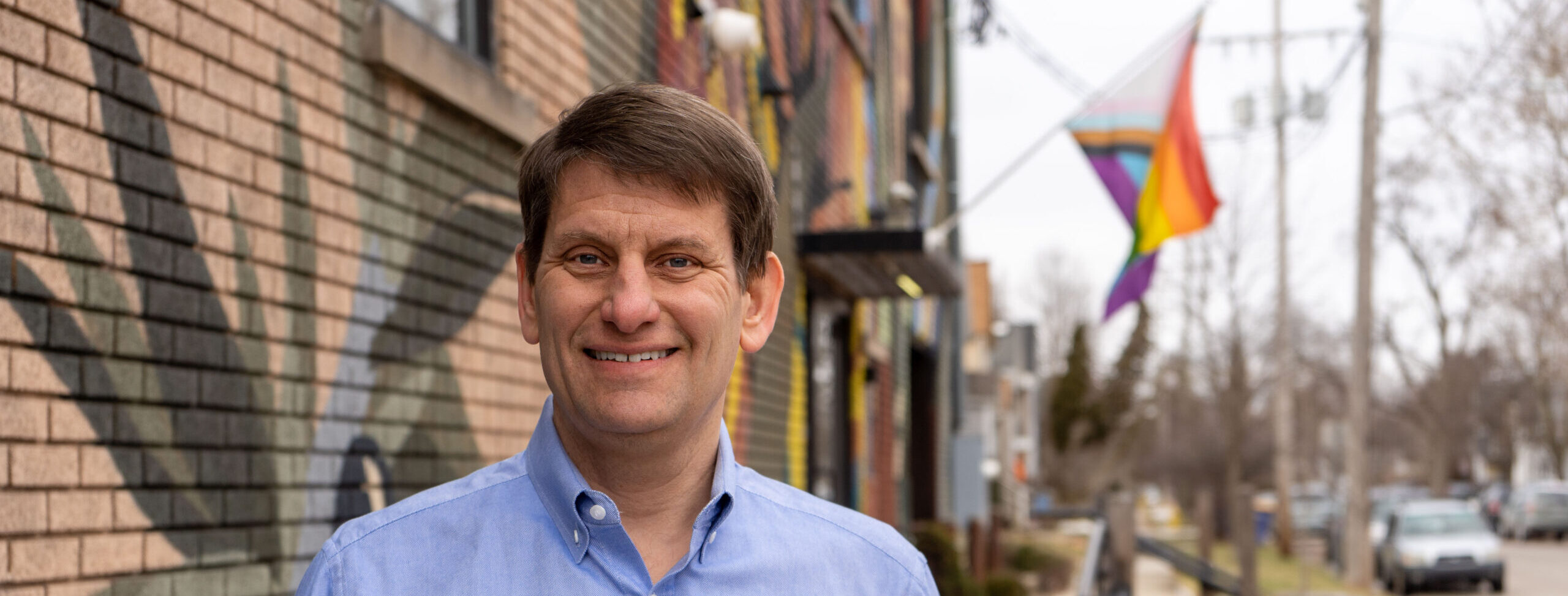
“a proxy for what the real business of government is, and that is human flourishing.”
This episode brought to you through the generosity of our supporters
00:00:00:04 – 00:00:03:40
David Martin
This is the good government show.
00:00:03:45 – 00:00:15:39
David LaGrand
You’re always looking for a free lunch in government. And and they’re not always there. But sometimes there are. Sometimes there are things where you think, wow, why didn’t we do that? Years ago.
00:00:15:44 – 00:00:28:43
David LaGrand
I think that the business of government is not prosperity. I think that that is only a proxy for what the real business of government is, and that is human flourishing.
00:00:28:48 – 00:00:46:59
David LaGrand
In America, we have really impoverished our language around government. We tend to talk about everything as though it’s about economics, you know, and sadly, I’ll even have arts groups come in and they’ll do it. They’ll come in with an economic study that shows that whatever art they want to do is good for the economy. Well, I think that’s putting it backwards.
00:00:46:59 – 00:00:52:16
David LaGrand
And I think that’s true for education to.
00:00:52:20 – 00:01:02:10
David LaGrand
Government has got a really strong bias towards yesterday wasn’t a calamity. Therefore let’s make tomorrow look like yesterday.
00:01:02:15 – 00:01:20:57
David Martin
Big ideas, new ideas, good ideas. The mayor of Grand Rapids, Michigan wants to hear them all. He has a few himself and he likes to hear other ideas. Get ready for a wide ranging conversation. Welcome to the Good Government show. I’m Dave Martin. First, help us share the message of good government by liking us and sharing us where we are on social media.
00:01:20:59 – 00:01:41:39
David Martin
Make sure you us and share our show everywhere. We all need to talk about good government. David Legrand is in his second year as mayor of Grand Rapids, Michigan. It’s the state’s second largest city. It’s also known as Beer City. So we talk about that. A former prosecutor, we talk a lot about criminal justice reform. Marilyn Grant has a new idea about how to stop crime before it happens.
00:01:41:39 – 00:02:02:38
David Martin
It’s a good idea. He also thinks we need to change the conversation about guns. The city police have been effective in getting illegal guns off the street, but the mayor says we need to think about guns differently to make not just his city, but all cities safer. While Marilyn Grant hasn’t solved the housing problem, he does have a program that will add more apartments in Grand Rapids, and the work is more than half done.
00:02:02:38 – 00:02:12:49
David Martin
So coming up, a conversation about housing, guns and safety and beer with Grand Rapids Mayor David La Grande.
00:02:12:54 – 00:02:42:57
David Martin
Hello nation is our partner here at the Good Government Show. This is a new direction from CGI digital. Hello nation is KGS new online digital magazine that showcases the best of cities across the nation. We’d all prefer of good news, traveled faster and Hello nation. Positive stories don’t just get told, they get amplified. Hello nation Alps businesses, leaders and communities share positive stories that matter building trust, credibility and meaningful connection through professionally produced podcasts, digital features and targeted distribution.
00:02:42:57 – 00:03:06:20
David Martin
Hello nation positions you as the answer regular folks are looking for, while expanding and scaling your digital footprint across the platforms that people trust. Good news deserves momentum. Your city or your business can help spread the word of good news across the nation. At Hello Nation, they don’t have advertisers. They have advertisements, editorial content from trusted community leaders and cities that are spreading the good news.
00:03:06:20 – 00:03:13:10
David Martin
Let Hello Nation lift you up and lead the conversation. That’s Hello Nation.
00:03:13:14 – 00:03:31:20
David Martin
Once you wrap up this episode of The Good Government Show, give a listen to our friends over at Good News for lefties. This daily podcast highlights news stories that show there’s more good news out there. Other people in government are really trying to do the right thing. That’s good news for lefties. Listen where you’re listening now.
00:03:31:25 – 00:03:41:44
David Martin
Welcome to The Good Government Show. I’m happy to finally have with me Grand Rapids Mayor David Legrand, a little, little trouble getting us together, but we’re finally together and we’re talking about all things Grand Rapids. Welcome to the show.
00:03:41:46 – 00:03:42:32
David LaGrand
Glad to be here.
00:03:42:34 – 00:03:58:52
David Martin
Glad to have you. So we are talking with the mayor of Grand Rapids, who’s been a year and a half in the job. And I recently saw something where you talked about, here’s a quote from you. You said in my first year as mayor, I’ve learned a lot. So tell me, Mr. Mayor, what have you learned?
00:03:58:55 – 00:04:20:25
David LaGrand
Well, one thing is, I learned that I’ve got a really big microphone. You’re on the top of a pyramid when you’re mayor. I was a state representative before this. And if you’re one of 100 people, you know, the press doesn’t hang in your every word. And people note extrapolate from random comments. Whereas when you’re mayor, there’s no such thing as as an off the cuff remark.
00:04:20:27 – 00:04:39:04
David LaGrand
The press is going to report on it. So, you know, if you say something like G. Why are parking rates cheaper on the street than they are in our ramps? That’s going to turn into the media saying the mayor wants to raise parking rates so very small things can get. It can get amplified if you’re not careful. Did you say.
00:04:39:09 – 00:04:40:31
David Martin
Did say that, Mr. Mayor?
00:04:40:33 – 00:05:03:48
David LaGrand
I did, you know, supply and demand, right? Like you’re street parking. So there’s a great book by a guy. One of my heroes wrote a book called The High Cost of Free Parking. And, you know, if you look at parking rationally, it can’t be both infinite and cheap. And if you are in a city, your goal can’t be to build, you know, suburban, infinite surface parking lots.
00:05:03:48 – 00:05:23:26
David LaGrand
There’s just a bad idea. And so you want to, you know, you want to incentivize people to do the parking behaviors that you want them to do. And, you know, in a capitalist society, we use market forces to do that sometimes quite well. But, you know, we have a we have some underutilized rants and some over utilized street parking in our downtown.
00:05:23:26 – 00:05:59:19
David LaGrand
And, you know, one way to solve that is with pricing. But you say that and everyone here. I mean, sometimes there are some things, like, for example, the price of gas is such a political bellwether. You know, if you’re if your price of, I don’t know, core housing goes up. Policy wonks talk about it. But if gas goes from $3 to $3.50, you think the world is going to end, even though if you do the math and it’s maybe $100 or $200 difference in somebodies annual budget, assuming they’re not massive commuters, housing costs are a whole lot more important than than gasoline prices.
00:05:59:19 – 00:06:01:33
David LaGrand
If you’re looking at somebody’s total budget and we’ll sell.
00:06:01:33 – 00:06:08:16
David Martin
It well, Will, you brought it up. So I’ll ask you, what are you doing about parking and parking prices in Grand Rapids?
00:06:08:30 – 00:06:10:37
David LaGrand
Sure. Well, I think the first.
00:06:10:40 – 00:06:14:32
David Martin
And remember, this is the good government show. So good luck with good government on parking.
00:06:14:42 – 00:06:30:46
David LaGrand
Yeah. Yeah, exactly. You know, I think that one of the things that we are exploring, which is key and I love you’re always looking for a free lunch in government and and they’re not always there. But sometimes there are. Sometimes there are things where you think, wow. Why didn’t we do that years ago?
00:06:30:48 – 00:06:33:05
David Martin
You have heard of the expression there’s no free lunch, right?
00:06:33:07 – 00:06:55:59
David LaGrand
Yeah, of course, but sometimes there is. Okay. So for example, if you look at and I’m going to get off topic, but in my I spent most of my career working in criminal justice and getting rid of a cash bond system gives you a free lunch in the sense that you don’t ruin a bunch of people to live, so you can just make things better with no downside of losing public safety.
00:06:55:59 – 00:07:14:43
David LaGrand
If you use a public safety assessment when you let people out, rather than a wealth assessment, it’s just not a it’s not a good way to screen for public policy. So that’s a that’s a free lunch in the justice space. Well, a free lunch in the parking space looks like this. You know, 50 years ago we didn’t have some of the technology we’ve got now.
00:07:14:45 – 00:07:49:48
David LaGrand
We didn’t have the ability to do Uber for example. Well you can kind of do Uber for parking. You can map out all of the parking lots that churches and businesses have that they use pretty intensively during the day, the businesses, but may not use it all at night. Well, if you can get an app that shows people where those lots are and you can get collaborative agreements signed with the city for revenue, you can open up thousands of event spaces for things like concert performances and hockey games and all of that kind of stuff.
00:07:49:51 – 00:08:11:23
David Martin
So you have to get a big buy in from the community and from the business leaders, because I can tell you now, I live in New York City. So disclosure there where parking is not easy anywhere. But I can’t tell you the number of places I’ve been to where they have big signs that say parking for, you know, this store exclusively parking for this bank exclusively.
00:08:11:23 – 00:08:21:41
David Martin
All others will be towed. How do you get people to come on board with opening up their space to people who aren’t using either their business or their parking lots?
00:08:21:44 – 00:08:51:52
David LaGrand
Well, if they’re not using it, it’s money lying on the ground waiting for somebody to pick it up, to put it simply. So I take, for example, my I own a distillery, got a parking lot with like 60 spaces in it. They are not utilized during the day. So if I could figure out a way to monetize that low use during the day, and I had again, if you use an app, I could turn that accessibility off at night, which is when I want people to come to my distillery and eat dinner and have a drink.
00:08:51:56 – 00:09:07:58
David LaGrand
It’s very low use during the day. Now, conversely, if I’m an insurance company and I got 20 employees who all want to be there 9 to 5, well, at 530, those parking spots have no monetary value to me. So if I if there’s an app that would let me capture revenue from that, why would I not want to do that?
00:09:08:00 – 00:09:08:22
David LaGrand
Has this.
00:09:08:22 – 00:09:10:05
David Martin
Been has this been successful?
00:09:10:14 – 00:09:16:07
David LaGrand
We’re working on the app part of it right now. I mean, it’s it’s not something now I know.
00:09:16:09 – 00:09:23:09
David Martin
Listen, I think this is a great idea. I just I have not seen this work anywhere in cities. Is this an operation in places?
00:09:23:09 – 00:09:41:58
David LaGrand
I don’t know that I’ve seen it in other cities, but it makes logical sense to me. I mean, if you. If you grab an Uber, you don’t know who’s coming. You just know that a car is coming and you don’t care that much. You’re not making a contract with an individual person. You’re you’re using a system that that can allocate our resources really efficiently.
00:09:41:58 – 00:09:58:45
David LaGrand
Well. Similarly, if I’m going to in our concert, I don’t care where I park as long as I can get a parking spot. I know how much it’s going to cost before I get there, and I know how far it is away from my venue. So it’s a it’s a, you know, an open source way to deal with parking demand.
00:09:58:48 – 00:10:18:51
David Martin
So you had mentioned this and this is sort of I think what you sort of ran on initially is the fact that you were a prosecutor for a very long time. So you’re well familiar with criminal justice and the wheels of criminal justice. One of the things that you talk to me about a little bit before we turn the microphones on was criminal justice reform.
00:10:18:51 – 00:10:32:07
David Martin
And I think you had said that you were successful in doing some diversion programs. What are these programs? Let’s talk about good government. And, you know, why does a former prosecutor make a good mayor so?
00:10:32:19 – 00:10:52:18
David LaGrand
Well, to answer the last part of that question, I often think cities have sort of foundational blocks or, you know, footings or whatever you want to say. So you can say what makes a successful city. And you look at a city like Boston and you think, well, education is really important. Medical systems are important, tax important. All of those things feed into their economy.
00:10:52:20 – 00:11:19:00
David LaGrand
Well, you look at any city and you ask, what are the foundations for a city? Public safety is one, and I think probably a K-12 educational system that parents are going to buy into is number two. And if you don’t have, those people are going to leave. Nobody wants to sacrifice their children to experiments or risks. They want their kids to be as secure as they can, and nobody wants to feel unsafe when they’re going about their life.
00:11:19:00 – 00:11:48:34
David LaGrand
And so cities have to have floors for solid, solid floors for public safety. So that’s something I’m very aware of. Now, the trick in that space, when you start looking at it is if your goal is public safety. There are lots of things that we don’t do very well that we could do better. Lots of them. So, for example, if somebody is accused of a misdemeanor and they go in front of a judge and the first thing you judge says is, how much money do you have when determining whether to let them go home or not?
00:11:48:36 – 00:11:55:43
David LaGrand
That’s a really lousy way to screen for risk. You should be asking, is there a risk of releasing this person out the community?
00:11:55:45 – 00:11:58:24
David Martin
Are they of the community? I mean, that’s that’s the basic.
00:11:58:26 – 00:12:21:34
David LaGrand
Exactly. You should be using a risk assessment, not a wealth assessment. So the fact is we developed a cash bond system, the Middle Ages when we had circuit writing judges in England. And it’s a bad model for evaluating risk. It’s a good model if you’re, you know, if you’re in Salisbury and the judge only shows up every three weeks on a horse, and he said, give me a pig so that I’m sure you’re going to come back next time.
00:12:21:41 – 00:12:40:16
David LaGrand
You know, if you’re worried about people appearing in court and you want collateral and you can use a pig, fine. But that’s the Middle Ages. Right now we’ve got way, way better check for making sure people show up in court. We’ve got way, way better tech and shoot. Everybody in my family knows where I am right now because I’m talking to you on my phone.
00:12:40:21 – 00:12:54:13
David LaGrand
We can track people with their phones. We can do all kinds of things that we couldn’t do in the Middle Ages. So one of the things I’m very excited about and here’s my pitch for your for your listeners. I hope every mayor in the country copies this idea.
00:12:54:15 – 00:12:59:03
David Martin
So we like to share best practices. So go ahead. I’ll make sure all the mayors are listening. Go ahead.
00:12:59:18 – 00:13:18:45
David LaGrand
So here’s the pitch. There are thousands. And in my town there are about 3000 misdemeanors that get convictions a year. Now, what that means is there’s also then a huge category of, let’s say you and I, I’m going to just for just for fun, bear with me. You and I get in a screaming match on a street corner.
00:13:18:48 – 00:13:40:22
David LaGrand
Right? Right. And I insult your clothes and you insult my nose. And we both scream at each other, and we walk off in different directions, and you call the cops and you say, I want Mary Lou Grant arrested, and, well, okay, the cops are going to show up. And then I ask you why you say he insulted my clothes, and I consider that a verbal assault.
00:13:40:25 – 00:13:55:53
David LaGrand
Well, what are the cops going to do at that point? They’re going to pat you on the head. They’re going to explain to you that no, insulting your clothes is not a crime. And then they’re going to go on their way because our officers are not social workers, and they’re not going to follow up in a week and be like, hey, how are you feeling about that?
00:13:56:05 – 00:14:20:53
David LaGrand
You know, are you still mad at mayor Legrand? They don’t do that, right. They are in the business of identifying crimes, apprehending the perpetrators, and we hope, deterring crimes with their presence. But primarily they’re in the apprehension and determination business. So if there’s no crime that’s been committed, their response intuitively and traditionally, as my job is done here.
00:14:20:56 – 00:14:41:07
David LaGrand
Right. My work is done right. Well, okay. That’s fine. But if we have 3000 misdemeanor convictions, we probably have. And I’m going to make up the number. Let’s say we have 10,000 cases and let’s call them subclinical cases to steal some medical terminology. Those are cases where you know. So what do you know about that case where you and I are mad at each other?
00:14:41:09 – 00:15:01:03
David LaGrand
Well, maybe we’ve got good problem solving skills, and maybe we call each other and apologize half an hour later, and I would hope you and I would, but there are a lot of people out there who don’t. And either because they’re scared of that conflict or they just don’t have the right problem solving skills or for whatever reason.
00:15:01:05 – 00:15:22:57
David LaGrand
Now, maybe that means tomorrow you don’t feel like the cops gave it what you wanted, and you see my car and you see it, and then you after your ICU key, my car, I escalate to something else. Right. So that’s that subclinical conflict can grow. I mean, we’ve all seen those stories. Sure, maybe they de-escalate, but 100% of them aren’t going to.
00:15:23:02 – 00:15:25:02
David LaGrand
So if if.
00:15:25:16 – 00:15:27:52
David Martin
This is why this is why people get shot over a parking space.
00:15:27:54 – 00:15:54:04
David LaGrand
Exactly. Any confessor. Right. And it can come back two weeks later. So imagine if you had a trained mediator, a conflict resolution person. And imagine if on your police report, the officer could take a box that said, you know, I think that would benefit from a follow up. And a week from now he calls me up and he calls you up, or he or she the mediator and says, hey, are you guys still pissed?
00:15:54:05 – 00:16:18:27
David LaGrand
And if so, would you like a chance to work it out? Well, the worldwide stats from the restorative justice space tell you that 80% of the people who are the wrongdoer in that situation, let’s say I started at night your clothes first, and it was really me that picked the fight and you responded by insulting my nose. So 80% of the people who are wrong who started the thing will be like, yeah, I shouldn’t have done that.
00:16:18:27 – 00:16:34:31
David LaGrand
That was a that was an obnoxious move. I would love to sit down and say, I’m sorry. And 80% of the people who have been aggrieved would like to get an apology they’d like, and they’d like to be like, yeah, you know, you were a jerk, but I shouldn’t have said that about your nose either. And, like, you know, I’m sorry too, right?
00:16:34:33 – 00:16:59:42
David LaGrand
Well, if you can put those people in that space where they can resolve that conflict, you’re not guaranteeing you’re going to prevent a future crime. But statistically, you do enough of those, and there’s going to be some of those cases that would have festered and would have escalated. So if you want to prevent crimes, you’ve got thousands and thousands of subclinical indicators of beefs, like arguments that you know are out there.
00:16:59:42 – 00:17:17:14
David LaGrand
So you’re not going to random citizens, you’re going to those somebody thought there might have been a crime, but then there wasn’t. Well, those are pretty serious tracers of potential future conflicts. Okay. So why not go mediate the why not identify them and offer the people involved and a chance, a chance to work out their grievances.
00:17:17:14 – 00:17:32:40
David Martin
So I see where you’re going with this. I think this is a good idea. It’s it’s a way to prevent crime. When you see that maybe there’s a chance for a crime to start. Are you sending out social workers with police officers or are police officers having social workers respond immediately?
00:17:32:42 – 00:17:49:24
David LaGrand
Well, okay. First of all, yes, we are already doing that. But I’m talking about the cases where everyone kind of walks away and they’re like, we’re done with this. The social workers who we’re sending out right now, we’re using a Co response model and there’s sort of layers to this. You can use a co response model where you send social workers out with officers.
00:17:49:27 – 00:18:08:57
David LaGrand
Usually what you’re dealing with there is mental health cases. Somebody be compensating. They’re having a bad day. They’re having a mental health episode. That’s an area where social work is really helpful. But I’m talking about cases like you’re in my case, okay, that’s one where the cops are going to come out because you said, well, Grant assaulted me.
00:18:08:59 – 00:18:09:23
David LaGrand
Well.
00:18:09:25 – 00:18:26:05
David Martin
And this and this and this can go there’s a lot of places neighbor disputes, you know, somebody putting garbage on somebody else’s property or a dog is running back and forth, or somebody doesn’t like the fact that you parked in front of their house when their car belongs in front of their house, you know, and they live down the block.
00:18:26:10 – 00:18:37:12
David Martin
You know, I would imagine there’s probably a lot of disputes with business people who share a strip center kind of idea. So these are the kinds of things you’re talking about. Is that is that fair?
00:18:37:14 – 00:18:55:20
David LaGrand
Exactly. Now, you could use a social worker for it, but really what you need is a mediator. And in my experience, a lot of those folks will actually be lawyers by training because lawyers, you know, lawyers, you know, the guys you see on billboards inside of the highway are all thing. Oh, fight for you. Yes. But lawyers are really good at resolving things.
00:18:55:23 – 00:19:01:08
David LaGrand
Almost. If you look at the criminal space or the civil space, most disputes get resolved. And the lawyers.
00:19:01:08 – 00:19:02:44
David Martin
They want to sell it. They want to settle.
00:19:02:46 – 00:19:22:09
David LaGrand
Right. So imagine this is a form of settling a future crime. I mean, it’s a weird way to look at it, but so we are about we’re going to when we get that, you know, we’re in the process of crafting a job description for this mechanism and getting it in place. And if we do it now, here’s the other I’m sorry, this is geeky, but you’ve got to you’ve got a good government.
00:19:22:14 – 00:19:46:08
David LaGrand
So here’s the geeky part. Yes. This also kind of is tailor made for a double blind study because you could take, you know, if we’re going to get more input than the people you have could possibly handle. So let’s say you have, you know, 5000 referrals from your police department. You’re going to have to sort those. Well, if you said, okay, we’re going to put some of these into the no response pile, which is essentially pile.
00:19:46:22 – 00:20:18:01
David LaGrand
If it was medicine and some of them into the respond pile, when you when you’re done, at the end of a while, you can look at those and be like, oh, the ones we did mediation on. We had five less adverse events afterwards than our control group. Well, then you’ve really demonstrated the value of what you did right in a way that it’s so often when we’re trying to do things, we don’t really have a control group, so we can’t, you know, because, you know, we don’t we don’t use control groups for things like for, for really bad things we want to solve.
00:20:18:03 – 00:20:37:55
David LaGrand
Right. So you wouldn’t use a control group for like, you know, preventing a murder or stopping a bank robbery or something like that. But on these low level cases where there has been no crime that’s been committed, and if your basket of referrals is bigger than the resources you have, at least right away to devote to it, you will then prove the value of this position.
00:20:37:57 – 00:20:57:03
David LaGrand
And then if you can say like, oh, look, we hired a mediator and the group they dealt with had ten less assault cases come out of it. Well, okay. How much do you want to pay to prevent an assault? I’d pay a substantial amount of money. I would, because. Because the trauma to the victim. Like, one of the bad things about government is it wants to monetize everything.
00:20:57:03 – 00:21:18:21
David LaGrand
So when we look at the criminal justice system, we tend to talk about the cost of prosecution and the cost of representation for the for the defendant, the cost of the judge, the cost of the jail cell. We don’t talk about the cost of being traumatized because there’s no easy dollar figure to put on it. But like you, being assaulted is something you probably are going to carry around with you for the rest of your life.
00:21:18:24 – 00:21:27:54
David LaGrand
It’s a it’s something that really, really follows people. So being able to prevent that, it’s hard to know how big a dollar figure I’d put on it, but I’d put a pretty big dollar figure.
00:21:27:59 – 00:21:48:39
David Martin
So let’s talk about another aspect that you’ve you’ve talked about a little bit, which is rethinking gun ownership and gun possession. What can a mayor do about that? I read that you I think last year you took the city, took 481 illegal guns off the street. What else are you doing about gun reform and gun ownership?
00:21:48:41 – 00:22:21:27
David LaGrand
Yeah. You know, I think this is an area where many, many liberals have gotten into a bad headspace where they sort of think what the government should solve this problem for me. Look, if we didn’t have a Second Amendment and if we didn’t have all the Supreme Court rulings that we have, we’d be in a different place. But even there, I think that one of the things that liberals have to get back in touch with is the idea of community accountability and community responsibility.
00:22:21:27 – 00:22:38:43
David LaGrand
And this is, you know, sort of the Norman Rockwell vision of like how a community gets along, right? Like, if you’re going to do the right thing, you also expect your neighbor to do the right thing. And, you know, if somebody drops it, if somebody dropped a pop can in front of me on the on the sidewalk, I’m inclined to say, hey, man, pick up your pop can, right?
00:22:38:55 – 00:23:04:22
David LaGrand
We do a little bit of that public accountability. Well, I think within the gun space, what we really should be looking at is the success of Mothers Against Drunk Driving. So you’re old enough, and I’m old enough to remember the phrase one for the road, which sounds insane, right? It sounds psychotic. The idea that you would, like, be at a bar and say, hey, I’m about to drive a car.
00:23:04:24 – 00:23:26:40
David LaGrand
Can you make me more inebriated? Yes. Like. Right. But that, I mean, there were songs about it. I mean, I think I think Marvin Gaye had a song, one for the road, but, you know, in, in the, you know, in our living memory, that was a that was a thing people said in bars. Well, what happened mother? Mothers Against Drunk Driving came along and started pointing out the carnage.
00:23:26:42 – 00:23:48:03
David LaGrand
They started pointing to the corpses. They started to pointing to the the incredible human cost and changed our cultural attitudes around drinking and driving. I mean, people may still do it, but nobody’s proud of it and nobody’s admitting it to their spouse when they go home. Right. And it really has changed the world, and it’s really improved things.
00:23:48:05 – 00:24:01:52
David LaGrand
Well, similarly, right now in our society, I see a whole lot of pro-gun messaging. I see it on the backs of lots of vehicles, you know, people broadly proclaiming how much they love their guns and how important they are to them.
00:24:01:55 – 00:24:05:45
David Martin
And they send Christmas cards with their family holding assault rifles. Yes.
00:24:05:47 – 00:24:27:22
David LaGrand
Right. And given that Jesus was clearly a pacifist and clearly had an opportunity to take up arms in the biblical account, the fact that Christianity has now somehow gotten associated with gun use is something that just astounds me. Like, I just don’t. I mean, it’s hard to read the book and understand how you got from point A to point B, but that’s another story.
00:24:27:24 – 00:24:45:57
David LaGrand
The in the in the meantime, like, I think that culturally we just have to say, look, let’s start pointing out that many of my friends who have guns sort of have the boogeyman vision. It’s that they have the gun because someday they’re going to meet the boogeyman, and then they’re going to need their gun, and their gun is going to be useful.
00:24:46:04 – 00:24:47:52
David LaGrand
And I think we just have to have a.
00:24:47:59 – 00:24:51:23
David Martin
Number of time that happens, I think is incredibly low.
00:24:51:28 – 00:25:10:37
David LaGrand
Vanishingly small, vanishingly small. So it turns out almost always the gun is going to be the thing that somebody picks up in a domestic dispute and things go really horribly, you know, sideways, or it’s going to be the thing you use when your kid comes home after a night drinking, it sneaks in and you think he’s a burglar.
00:25:10:38 – 00:25:36:44
David LaGrand
So there are all kinds of I mean, accidental gun deaths are a horrifying thing, but they also turn they also turn disputes into tragedies. Right. Again, that that example of you and me yelling at each other. Right. Well, if we if we go our separate ways, fine. There’s a limit to how much can go wrong. But if one of us has a handgun and, you know, imperfect self-control, things can go tragically wrong very quickly.
00:25:36:49 – 00:25:56:21
David LaGrand
My. My last murder in our city was a couple kids dispute, you know, getting into a beef about who was going to get to join a soccer game and all of a sudden somebody’s dead. You mean. No. Yeah. And getting so. So, you know, the question is like, can we talk to our kids? Can we talk to our brothers?
00:25:56:21 – 00:26:21:25
David LaGrand
Can we talk to our coworkers and drum in that reality? So I think that that gets back to the big microphone question. You know, if we can talk about this huge, huge social cost of having normalized gun possession. Now, the problem is that it’s it’s it’s almost a religion. And the people who are invested in their possession of guns are really, really invested in them.
00:26:21:27 – 00:26:33:02
David LaGrand
And so the question is, how do you talk about this in the language of love? How do you how do you encourage people to modify their daily habits without condemning?
00:26:33:05 – 00:26:46:18
David Martin
And as I understand it, I read a little press release. You know, press clippings about you is you made a comment about basically what we’re talking about, and the people of your city reacted strongly to some of your words.
00:26:46:21 – 00:27:03:13
David LaGrand
Yeah. I mean, of course, and of course some of them will. This is an issue that really, really divides America. But you’re never I mean, I’m sure the first time anybody said, I mean, you know, don’t drink and drive. There was that kind of reaction to nobody’s going to tell me what to do. This is America. I’m fine.
00:27:03:22 – 00:27:23:57
David LaGrand
Right. I can I can handle my alcohol. All those arguments are, you know, you have to start somewhere. You have to start the conversation. And and, you know, my thought experiment a few years ago was I’ve seen a lot of pro-gun bumper stickers on vehicles. I’ve never seen a bumper sticker that said, hey, have you thought about how much damage this does?
00:27:24:06 – 00:27:28:16
David Martin
Maybe you need a little catch your little phrase there. Mr. mayor, I think in.
00:27:28:16 – 00:27:37:03
David LaGrand
That, well, no, I have two bumper stickers. One that says guns turn arguments into tragedies, and the other bumper sticker says guns kill people you love.
00:27:37:08 – 00:27:54:50
David Martin
Okay. All right, well, you did it. You got pithy your statements. I want to switch gears a little bit and talk about something that I understand is an issue in Grand Rapids. You’ve got a rapidly growing city. I think I read somewhere that you’re the number one city on the rise, at least in Michigan. And apparently there is.
00:27:54:53 – 00:28:01:47
David Martin
You’re leading a charge to convert basically garages to apartments. Explain this a little bit.
00:28:01:50 – 00:28:22:34
David LaGrand
Yeah. So there is now again, this is not a New York City idea. Maybe that’s going to infuse traction. Although, you know, it’s a big enough place. You’ve got Queens, you’ve got places where people have garages. Yes. But you know, it’s not all Manhattan no matter what the rest of the country thinks. But in a city like Grand Rapids, we’ve got about 200,000 people, which means probably 100,000 houses.
00:28:22:41 – 00:28:48:54
David LaGrand
A lot of those are going to have a garage. So let’s say half of them have garages. So you’ve got 50,000 garages in your community. Well, a garage already has four walls, a roof and a floor, which means you’re a you’re a decent way to making that into a habitable structure. Right. Right now, it probably doesn’t have HVAC, and maybe it doesn’t have a sewer and water connection, but you’ve got a lot of already sunk costs.
00:28:48:54 – 00:29:03:08
David LaGrand
And a typical two stall garage is 600ft². Well, that’s not a bad apartment. My son’s living in Brooklyn in a 300 square foot apartment. You would. You know, he would kill for a 600 square foot apartment.
00:29:03:10 – 00:29:04:24
David Martin
Yes he would. Yes he would.
00:29:04:27 – 00:29:24:57
David LaGrand
Ground floor. Right. And that’s the other thing about garages, is they’re great for people aging in place because, you know, if you can drive a car into it, you can also write a wheelchair into it. So they’re incredibly handicap accessible, sort of already. They’re already there. And if since housing costs are a national crisis, there’s not one thing to do here.
00:29:24:57 – 00:29:48:11
David LaGrand
And I don’t want to oversimplify. Right. There’s probably 20 things we need to do in this space. But one obvious thing we can do is take some resources we already have, which is garages. And if we can convert them into apartments and living spaces affordably. Laws of supply and demand are just going to mean that they’ll have a positive effect on making housing more affordable.
00:29:48:12 – 00:29:48:58
David LaGrand
Isn’t that.
00:29:49:03 – 00:29:52:38
David Martin
Doesn’t that mean, no, that you have to change zoning laws? And are you doing that in your city?
00:29:52:41 – 00:29:58:28
David LaGrand
Well, no. The advantage we have is we already said you can have ADUs by right in the city. So I’m now working.
00:29:58:31 – 00:30:00:09
David Martin
I’m sorry. Do you? You just.
00:30:00:09 – 00:30:21:51
David LaGrand
Said accessory dwelling units converting your garage to to an apartment. You already can do that in our whole city by right. You don’t have to ask permission. We’ve zoned. We did the zoning change to make that happen. So I’m now in the more granular question of like, okay, it’s permissible. Why aren’t more people doing it? And so some of that is can you go get a loan from a bank easily.
00:30:21:51 – 00:30:40:04
David LaGrand
So I’m talking with banks about how to get programs for financing because nobody buys their house with cash. There’s no reason to think they’re going to build garage conversion with cash. People don’t want loans to do that. And then granular things like, can you put windows on them? And you have to change the fire code a little bit to allow that.
00:30:40:04 – 00:30:58:32
David LaGrand
So I’m working on some state legislation to allow windows on the sides of these things, allow the water and sewer hookups to be more affordable, and some foundational workarounds to state code. The intent is to drive the cost of conversion lower because the cheaper it is to convert, the cheaper it is going to be to rent them out.
00:30:58:34 – 00:31:05:41
David LaGrand
You know, if I can do a conversion for $100,000, I can rent that thing out for $800 a month and really be happy I did it.
00:31:05:44 – 00:31:15:02
David Martin
All right. And that does sound like good government. A couple of things I want to ask before we get to the questions, because I have a questionnaire I want to get to. How is the Gerald Ford Museum?
00:31:15:07 – 00:31:31:11
David LaGrand
Oh it’s great. It’s right on the river. And since we’re doing so much river work in general, I think that it’s only going to get more and more attractive because we’ve got a real greenway that we’re developing around it. We’re also just getting more stuff around it. When the Ford Museum was built, there was a lot of surface parking lot around it.
00:31:31:13 – 00:31:41:41
David LaGrand
Now it’s going to be smack up next to our new soccer stadium. So it’s going to be in a context and we’re going to get more and more housing around it. So it’s a fun museum, but it’s going to get a lot more fun over the next few years.
00:31:41:44 – 00:31:51:55
David Martin
All right. And I wanted to mention you’ve got a new amphitheater. Tell me why this is a good use of government money. Why is this government dollars well spent to build an amphitheater?
00:31:51:58 – 00:32:09:15
David LaGrand
Well, first of all, we didn’t use government dollars on it. That’s that’s the first answer. We bonded for the parking lot, and we did what’s called the revenue bond, which is kind of like, you know, a mortgage on a on a rental property. The parking ramps going to get revenue and it’s going to the revenue from the parking ramp will pay for the bonds.
00:32:09:16 – 00:32:16:35
David LaGrand
So maybe we’re wrong. Maybe no one will go to hear the Doobie Brothers. But assuming that people keep going. You’re the Doobie Brothers.
00:32:16:38 – 00:32:16:48
David Martin
Wow.
00:32:16:49 – 00:32:20:13
David LaGrand
You are. Yeah. No, no, my guys and they are coming.
00:32:20:15 – 00:32:21:20
David Martin
All right. Okay.
00:32:21:25 – 00:32:23:58
David LaGrand
Edward l yes.
00:32:23:58 – 00:32:27:51
David Martin
Weird al national tour. All right. Well, did you get the river cleaned up?
00:32:27:53 – 00:32:51:52
David LaGrand
Yeah, I mean, cleaned up. It’s. It’s not so much cleaned up as made accessible. Our river has never really been dirty, but it’s been behind a bunch of floodwalls because rivers go up and down a lot. And so historically, we built a lot of concrete, 20ft tall walls for river surges, and we’re converting those to things that look like Greek Amphitheater, sort of stepped up access to the river so you can get to it around the year round.
00:32:51:52 – 00:33:05:20
David LaGrand
And yeah, I’m still waiting for the for the boathouses along the river. My goal is ten years from now, we want to look a lot more like Charles in Boston. I want to have ten people out there on skulls making me wish I knew how to. Skull.
00:33:05:24 – 00:33:14:24
David Martin
All right, well, we’re going to come back and talk with Mayor David Legrand of Grand Rapids, Michigan, right after this.
00:33:14:29 – 00:33:38:15
David Martin
The Good Government show is sponsored by our. That’s for our community. Get involved. We hear that all the time from government leaders. Our co brands with your governments name and logo, your staff and the people you serve are connected and part of your community. From any device. Your members provide reliable data and meaningful feedback. Ask a question like do we want more parkland or better homeless services?
00:33:38:15 – 00:33:50:00
David Martin
More engaged conversations come through the our app. Visit our code that’s Cocom and book a demonstration.
00:33:50:05 – 00:34:19:54
David Martin
After you get done with this episode. Hear more good government stories with our friends at How to Really Run a City for memories, Kasim Reed of Atlanta and Michael Nutter of Philadelphia, and their co-host, journalist and author Larry Platt talk with guests and other mayors about how to really get stuff done in cities around the nation. Check them out where you’re listening now or through their nonprofit news site, The Philadelphia Citizen.
00:34:19:58 – 00:34:44:59
David Martin
Across America, there’s a growing demand for leadership that delivers results. The Good Government Institute brings together proven ideas, principled leaders, and real world solutions. We talk about what works. We talk about the best in government and in public service. On our flagship podcast, The Good Government Show, we talk about what makes good citizens. Our guests are government leaders who share great ideas and what public service means to all of us.
00:34:45:02 – 00:34:52:40
David Martin
Visit Good Gov Institute to learn more. That’s good gov institute.
00:34:52:44 – 00:35:01:49
David Martin
So Mr. Mayor we have a questionnaire that I ask all big city mayor. So you know government leaders across the nation. And we’re going to start with the hardest question. First what is good government.
00:35:01:49 – 00:35:25:14
David LaGrand
Define it. So here’s my really geeky answer. I think that the business of government is not economic prosperity. I think that that is only a proxy for what the real business of government is, and that is human flourishing. And I think that human flourishing has lots of different parts to it. But I think that two things you have to be very sensitive to when you’re talking about human flourishing are one.
00:35:25:14 – 00:35:54:48
David LaGrand
Government is sort of it’s a reward of civilization. You know, it’s the reason we came down. It’s how we, you know, got organized. We’re able to build cities, stopped having to be hunter gatherers. And so given that that’s the case, government should be able to provide order, it should be able to let people rub shoulders in dense spaces, but it should also be lifting up the things that are the rewards of civilization, which is to say, arts and culture.
00:35:54:48 – 00:36:17:54
David LaGrand
So I think good government keeps its eye on human flourishing. And but also then I think, I think that in America we have really impoverished our language around government, and we tend to talk about everything as though it’s about economics. You know, and sadly, I’ll even have arts groups come in and they’ll do it. They’ll come in with an economic study that shows that whatever art they want to do is good for the economy.
00:36:18:01 – 00:36:43:21
David LaGrand
Well, I think that’s putting it backwards. And I think that’s true for education to the goal of education. From my perspective, the highest goal of education is to make us better human beings. It’s not to help us get, you know, jobs in finance. So I think that government should have its eye on those things. But it should also talk the language of morality, because morality is the question of what does it mean to be a good human?
00:36:43:23 – 00:36:58:44
David LaGrand
And so questions of justice are things that government always has to be really focused on. Because if we’re all wealthy but not living fulfilled lives, that can’t be the goal. So I think good government has got to be got to be focused on human flourishing.
00:36:58:46 – 00:37:03:41
David Martin
If people are frustrated with government, especially if they’re frustrated with you and your administration, what should they do?
00:37:03:44 – 00:37:32:25
David LaGrand
Well, I think the first answer is they should. I mean, maybe it’s just how I feel right now, but do a little research, because a lot of time, it seems to me the media and not you, but like, you know, there’s a tendency of media in general to conflict cells to to come up with a narrative that involves, you know, a black and white division, which is maybe true, maybe not to muddy details so that you can present a conflict that then gets people frustrated.
00:37:32:25 – 00:37:54:59
David LaGrand
So the first thing they should do is ask themselves, what are the actual facts in the situation? If there are well-intentioned people trying hard to get to the good result here, what am I criticizing and do I have all the information? The second thing they should do is get engaged. Because the nice thing about being in the democracy we have is it’s not hard to get engaged, but it’s really.
00:37:55:02 – 00:37:57:57
David Martin
Yeah, but it’s hard. It takes time. I don’t have time for that.
00:37:58:00 – 00:38:15:23
David LaGrand
Yeah. It depends. Well, if you don’t, then, you know, then you’re advocating democracy. You have to you have to take responsibility for the fact that, like, there’s a certain amount of throwdown that’s involved in living in a, in a democratic republic, like, we’ve got to be willing to engage and we’ve got to be willing to think that problems you can’t outsource things to the government being frustrated.
00:38:15:26 – 00:38:33:11
David LaGrand
The government is, I think, one of the two twin perils that we face right now. And it’s it’s the temptation to opt out to to say that’s something the government should do, not something we should do. So the late Barney Frank, who just died, had this quote, which I loved, which was government is just the word for the things we do together.
00:38:33:12 – 00:38:48:25
David LaGrand
So if government is the thing we do together, then we have to do it. And we involves the person who thinks they’re frustrated. So there are always things that we can do to move things towards a more positive outcome and to and to progress. So you take ownership.
00:38:48:25 – 00:38:55:27
David Martin
So you’re you’re a public prosecutor. You were a member of city council. Now you’re mayor. What drew you to public service?
00:38:55:30 – 00:39:15:36
David LaGrand
What? Yeah. Well, you know, I think the answer to give you the very personal, honest answer here it is. My faith tradition is Christian. And there is a haunting passage in the New Testament where people are standing in front of their creator and being held accountable for things. And, you know, the question is, did you feed the hungry?
00:39:15:38 – 00:39:39:52
David LaGrand
Did you clothe the naked and to visit people in prison, which is a doable list of things to work on. And I realized that, you know, I was fortunate enough to have a decent analytical brain, to be healthy enough to knock doors, to have a community that loved me and supported me. And so staying home and watching football and television was not a morally acceptable response to the gifts I was given.
00:39:39:54 – 00:39:52:31
David LaGrand
And so, you know, I’ve been incredibly blessed. And and I think that if you’re sensitive to your place in the universe and, and understand your blessings, you have an obligation to try to to do good for others and to work on the common good.
00:39:52:34 – 00:39:55:07
David Martin
Who inspires you? Do you have a political hero?
00:39:55:12 – 00:40:17:20
David LaGrand
Oh, Jimmy Carter is one of my political heroes. Abraham Lincoln is a political hero. I got to meet Carter before he died. I did not get a chance to meet Nelson Mandela before he died. Desmond Tutu is a hero. And Wendell Berry, he’s a political. He’s more of a prophet than he is a political actor. But, you know, and I come from a family of activists, so I come by it honestly.
00:40:17:22 – 00:40:19:54
David LaGrand
All right. My family is always involved in justice issues.
00:40:19:56 – 00:40:22:39
David Martin
Were you president of your high school class?
00:40:22:44 – 00:40:36:17
David LaGrand
No. Although I was the head, I did get involved in a mock election in college. But, you know, then I took a step back and I thought, like, why would you if you’re 25? It’s a little weird to ask people to vote for you if you haven’t done anything. All right. So no one did some things.
00:40:36:19 – 00:40:45:11
David Martin
All right. Good. So you’ve been in public service for quite some time. What would you like people to know about government as a government insider that they probably don’t know?
00:40:45:18 – 00:41:07:24
David LaGrand
Oh, the amount of inertia that’s involved, the fact that government is a very, very cautious entity. I tell kids this all the time. I say the most important thing kids can bring to a conversation is not answers that 50 year olds haven’t thought about, about things like street design necessarily, but a futurist vision, a vision of like, how can we do new things?
00:41:07:24 – 00:41:29:18
David LaGrand
Because government has got a really strong bias towards yesterday wasn’t a calamity. Therefore, let’s make tomorrow look like yesterday, which gets us really, really stuck in decades old dynamics where we take the status quo for granted. And that means, you know, you’ve got to be willing to shake the status quo. I mean, we already talked about cash bond, right?
00:41:29:23 – 00:41:47:00
David LaGrand
It’s a medieval thing that we just kept doing for hundreds of years, which makes no sense. But we were doing it yesterday, so let’s do it tomorrow. But you don’t want to get. I mean, yes, we don’t want to get too enamored of outside the box thinking, but government is a very, very conservative body and entity and organization by and large.
00:41:47:03 – 00:41:48:24
David Martin
What’s the best part of being there?
00:41:48:27 – 00:42:09:40
David LaGrand
Oh, the best part is to be able to come up with new ideas and new visions and work with people. I always say, I think that properly understood my job as being like a like a magnifying glass for sunlight. My job is to focus and catalyze the energy of the people in the community, and that’s just fun. It’s fun when people have ideas and you’d be like, wow, that is a great idea.
00:42:09:42 – 00:42:17:22
David LaGrand
Let’s go do that. It happens to me at least once a week that someone comes in with an idea. I’m like, son of a gun. Never thought of that before. That’s awesome. Let’s go figure that out.
00:42:17:25 – 00:42:20:20
David Martin
What’s. What’s your biggest fear? What keeps you up at night as mayor?
00:42:20:22 – 00:42:21:53
David LaGrand
Not being able to get enough done.
00:42:21:56 – 00:42:38:50
David Martin
All right, so I have never been a Grand Rapids. I’ve been to Detroit a few times and I’ve been to the U.P.. What is your favorite place? And if I’m coming there, what’s the local dish? What’s the thing I have to try? What’s the dish of Grand Rapids? And I understand that Grand Rapids is also called Beer City.
00:42:38:52 – 00:42:41:21
David Martin
So, you know, let’s put all that together.
00:42:41:23 – 00:42:59:01
David LaGrand
Sure. You know, my favorite places are, you know, you call them group hubs because it is fun to be in a place that’s actually brewing their own beer or a cocktail bar, which I have known, but, you know, a restaurant that’s got an alcohol component. I got a soft spot for it. It’s a it’s a really relaxed, friendly vibe.
00:42:59:04 – 00:43:13:12
David LaGrand
Okay. You know what I’d say when you’re if you’re in Grand Rapids, I don’t know if you’re here for a week, go see Lake Michigan. It’s one of the wonders of the physical world. It’s only 30 miles away. All right. You know, if you’re there for a if you’re there for a day, go walk. Just walk the town.
00:43:13:14 – 00:43:28:11
David LaGrand
I mean, I love all cities. I’m a I mean, maybe I shouldn’t say it as a mayor because, you know, I should say I only love Grand Rapids, but I’m just a city guy. I love going and getting to know cities. City by city by city. I can’t tell you. There’s the city. I don’t like. Some more than others.
00:43:28:11 – 00:43:37:03
David LaGrand
But, you know, the ones that are on the rise are the ones that are fun. The ones where you’re like, wow, that’s a cool thing. I want to I want to take that idea home with me. So.
00:43:37:06 – 00:43:38:58
David Martin
So lots of lots of brew pubs in your city.
00:43:39:01 – 00:43:39:34
David LaGrand
Absolutely.
00:43:39:37 – 00:43:45:48
David Martin
All right. Is there is there a dish that you must have when you’re in Grand Rapids? I mean, you know, what about it, Cody? Is that more of a Detroit thing?
00:43:45:53 – 00:44:01:19
David LaGrand
We’re Midwesterners like, you know, I’m a burger guy. And maybe, maybe, you know, it’s summer. But I also think, like, I don’t know, again, as a as a Northern European, I think that many, many other cultures do food much more interestingly than my ancestors did.
00:44:01:21 – 00:44:02:26
David Martin
All right. Well, hey.
00:44:02:26 – 00:44:03:11
David LaGrand
Listen.
00:44:03:16 – 00:44:27:41
David Martin
You you don’t have to talk me out of a burger and a beer at a brew pub that, you know, that’s a that’s a day well spent. So this is the good government show. We always bring it back to good government. You said that one of the things that excites you is a new idea. So tell me about a new idea that you’re instituting in your city that you came up with on your own, or you’re working with someone in your city who said, hey, Mr. Mayor, why don’t we tell me about it?
00:44:27:43 – 00:44:50:04
David LaGrand
Sure. Well, that mediation idea is a new one that I really did sort of come up with on my own. And I’m excited about that. I don’t know any other cities that are doing that for those subclinical conflicts. Another idea I’m working on that I haven’t seen done anywhere else yet is also in the justice space, and that is if we want our police officers to act like most a lot of what they do kind of looks like social work.
00:44:50:04 – 00:45:08:41
David LaGrand
How about we start talking to our universities about a dual degree? I was a double major in history and philosophy. Well, what if you could be a double major in criminal justice and social work, and we could hire those folks into our police force? I think that’s an interesting idea that I’m talking with our local universities about, and I hope we can get some traction over time.
00:45:08:41 – 00:45:11:53
David LaGrand
So those are those are both in the justice space here.
00:45:11:58 – 00:45:16:57
David Martin
I think I see your next career after mayor being a professor of criminal justice and social work.
00:45:16:57 – 00:45:23:57
David LaGrand
Well, you know, I do. I do love the intersection of that space, I’ll tell you. All right. So you want you want another one?
00:45:24:02 – 00:45:26:42
David Martin
Sure. No, no, I want to hear all the good government you got.
00:45:26:45 – 00:45:45:53
David LaGrand
Okay, so here’s another. Here’s another one I have not seen done anywhere inside of a city, but it’s obvious when you think about it. I had a friend who came. This was. I stole this idea from a friend. You. I don’t know how much you get out of in New York City in cars, but in rural America, we figured out the beauty of rumble strips.
00:45:46:05 – 00:46:02:40
David LaGrand
Things you put down the middle of the road, and you put it on the side of the road to wake you up. If you’re dozing or make you pay attention. If you cross the center line, you get that sound. If you hit a rumble strip in a car. Sure. Okay, well, why not use those to mark bike lanes where you can’t put in a hard curb?
00:46:02:45 – 00:46:24:20
David LaGrand
It’s a great idea. You can snowplow over them. You can do. They’re not an impediment to snow removal. They’re not an impediment to street cleaning. So I have lots of bike lanes in my town that are only marketed with a with a white bit of paint. Well, if a car could hear a hero when they got into a bike lane, it would keep the bike safer and they cost Romel.
00:46:24:20 – 00:46:25:34
David LaGrand
Strips are cheap.
00:46:25:36 – 00:46:29:19
David Martin
Well, in New York they use bike lanes for loading and unloading zones.
00:46:29:19 – 00:46:40:50
David LaGrand
Yeah, I know, I know, but but and they use the sidewalks for bike lanes I know. And every Uber, every every Grubhub guy in Manhattan is running you over. And an electric bike I know.
00:46:40:52 – 00:46:42:02
David Martin
Yes. True. All true.
00:46:42:04 – 00:47:08:27
David LaGrand
But in a, in a city that’s not as dense, where you’ve got space for bike lanes and where they’re actually being where you can hope that they’ll be observed. Rumble strip is such a cheap way to up your game, and it’s going to have some positive benefits. So we haven’t gotten around to implementing any of those efforts, but it was an idea I got from a constituent friend, and I want to see it happen as soon as I can get the architecture in place and get the engineers to believe that it’s okay.
00:47:08:31 – 00:47:11:17
David LaGrand
And, you know, I just don’t see any reason to not do it.
00:47:11:19 – 00:47:25:45
David Martin
All right, well, you’ve got your work cut out for you. You’ve got a lot of ideas and a lot of stuff you want to get done. So good luck with that. The mayor of Grand Rapids, David Legrand, thank you very much for coming on the show. It was a pleasure talking with you and sharing some really good government ideas.
00:47:25:45 – 00:47:26:49
David Martin
So thanks for joining.
00:47:26:52 – 00:47:28:57
David LaGrand
No, thank you so much for having me. Appreciate it.
00:47:28:59 – 00:47:32:59
David Martin
Thank you.
00:47:33:04 – 00:47:54:33
David Martin
The Good Government Institute has a new partner, the Charles F Kettering Foundation. I really like their podcast, The Context, and I bet you will too. They have a new series called Democracy Under Construction. The show is hosted by historian Alex Lovett, and he looks back at the first 250 years of U.S. history. Alex digs into the moments that have pushed us towards an inclusive democracy.
00:47:54:36 – 00:48:03:04
David Martin
You can find it where you’re listening right now, or visit Kettering and give him a follow.
00:48:03:09 – 00:48:20:58
David Martin
Want to hear more about good government? Check out another show I host Leading Iowa Good Government in Iowa cities. I host the show with Brad Kavanagh, mayor of Dubuque, Iowa, and the immediate past president of the Iowa League of Cities. Together, we talked to leaders in Iowa cities. We talk about what works and what good government looks like in Iowa.
00:48:21:03 – 00:48:29:10
David Martin
Join us right here. We’re listening. Now that’s leading Iowa. Good government in Iowa cities.
00:48:29:15 – 00:48:49:11
David Martin
What if Lincoln hadn’t been shot? What if World War One hadn’t happened? Jim Ludlow, Good Government show executive producer, explores both those ideas in two books in Lincoln Beyond the Bullet, he imagines that Lincoln lives and royal cousins. He imagines what would have happened if three kings, all cousins, hadn’t blundered their way into war. What if. Think about it.
00:48:49:13 – 00:48:56:32
David Martin
Go to Good Gub Institute and order a copy.
00:48:56:37 – 00:49:15:26
David Martin
I’ve heard a lot of great answers to the question what is good? Government and Grand Rapids Mayor David Lagrange gave me an answer I’ve never heard before. He said, quote, the business of government is not economic prosperity, but human flourishing. That’s a very good way to think about what government does and can do. He went on to say that government isn’t just about economics.
00:49:15:26 – 00:49:32:42
David Martin
He said, essentially, arts and culture don’t have to make money or add to a city’s bottom line. They can just be for people to enjoy a nice perspective. At least I think so. A lot of good ideas from the mayor. His plan to intervene in conflicts before they escalate. That’s a good idea. Just one of the many good ideas the mayor has.
00:49:32:42 – 00:49:47:39
David Martin
And if a man who owns a distillery says his favorite places of pub and a burger, well, who am I to argue? Sounds pretty good to me. That’s our show. Thanks for listening. Please like us and share us with your friends and review us right here where you’re listening, and check out our website. Good Government show for extras.
00:49:47:41 – 00:50:00:21
David Martin
Help us keep telling stories of good government and action everywhere. Join us again for another episode right here. I’m Dave Martin and this is the Good Government show.
00:50:00:26 – 00:50:38:38
David Martin
The Good Government Show is produced by the Good Government Institute, a nonprofit organization promoting civic engagement and civic education. All donations to the show help promote trust in government. You can donate at Good Govt Institute. That’s good govt institute. Executive producers are Jim Ludlow, Dave Martin, that’s me and David Snyder. Jason Stershic is our editor and producer. Join us again to hear good stories about our government right here on The Good Government Show.
00:50:38:43 – 00:50:41:43
Narrator
This podcast is part of the democracy Group.
**This transcription was created using digital tools and has not been edited by a live person. We apologize for any discrepancies or errors.
Executive Producers:
David Martin, David Snyder, Jim Ludlow
Host/Reporter:
David Martin
Producers:
David Martin, Jason Stershic
Editor:
Jason Stershic