The Good Government Show goes inside a county election office with Benton County, Iowa Auditor Hayley Rippel
FOGELSVILLE, PA, September 23, 2026: With election season underway, Americans are hearing plenty about how elections work. They rarely hear from the people who actually run them. In the latest episode of The Good Government Show, host Dave Martin sits down with Hayley Rippel, Auditor and Commissioner of Elections for Benton County, Iowa. Her message is simple: elections are careful, accountable, and open to anyone who wants to see them up close.
“I want people to come to the source, ask us questions,” Rippel says. “Let us show you the process and explain things to you.”
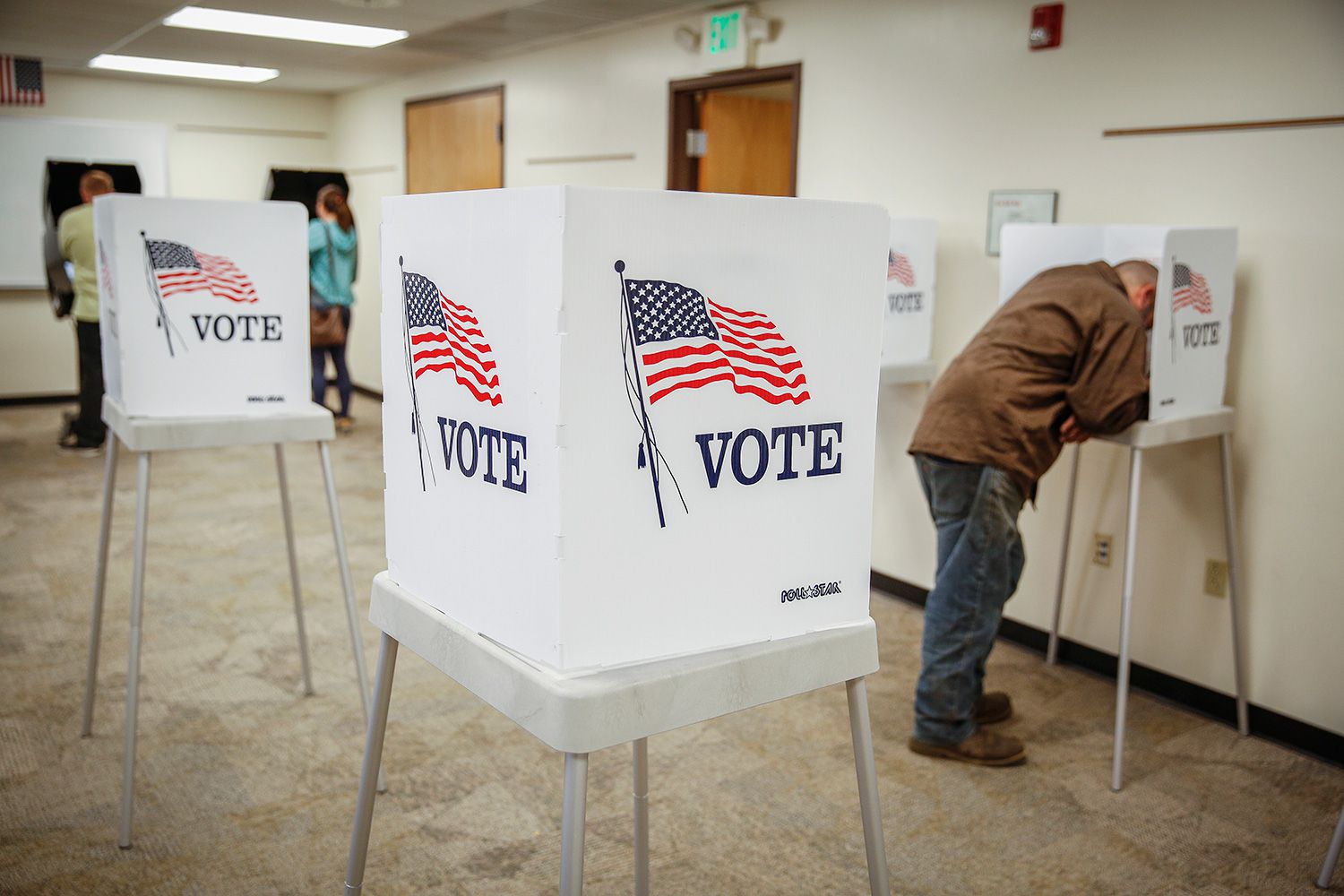
Rippel has spent 27 years in the Benton County Auditor’s Office, the last nine as auditor. She walks listeners through safeguards most voters never see. Every paper ballot ordered for a precinct is reconciled after the election: test ballots, mail ballots, early votes at the courthouse, and ballots cast on Election Day. Before each election, the county holds an advertised public test of its equipment, and residents are welcome to watch. After every election, Iowa randomly selects a precinct for a post-election audit, where a bipartisan team hand-counts the ballots and compares the result to the machine count. According to Rippel, they have always matched.
The conversation also covers the people behind the process. Poll workers are often retired teachers, neighbors, and longtime community members. They train in small groups, precincts are staffed with political balance in mind, and each precinct has an experienced chair. Workers get a picture-filled binder the office jokingly calls “the election Bible,” and they can reach the auditor’s staff by phone or FaceTime from before dawn until the last ballot is counted.
“If you can’t trust them, who are you going to trust to run your election?” Rippel asks.
Rippel is candid that growing public scrutiny has made the job harder. Her answer is openness, not defensiveness. Sometimes, she says, all it takes is an extra five minutes with a voter to show them how the process works and that their ballot is secure.
The episode goes beyond elections. Rippel talks about the realities of county budgeting, including the pressure unfunded state mandates put on small counties. She also describes a new rural care navigator program funded by opioid settlement money, not tax dollars, that helps residents get treatment close to home. And she shares what drew her to public service in the first place: a week at Girls State in high school.
Dave Martin’s takeaway for listeners: if you care about how elections work, go see one. Visit your county election office, watch a public test, or sign up to be a poll worker.
The episode, “Voting, No Fraud, Just Competence,” is available now on all major podcast platforms and at goodgovinstitute.org.
About The Good Government Institute
The Good Government Institute is a 501(c)(3) nonprofit dedicated to civic engagement and civic education. Its flagship podcast, The Good Government Show, hosted by Dave Martin, features mayors, public servants, and civic leaders from across the country. Each episode extends GGI’s core mission of demonstrating that government works.