
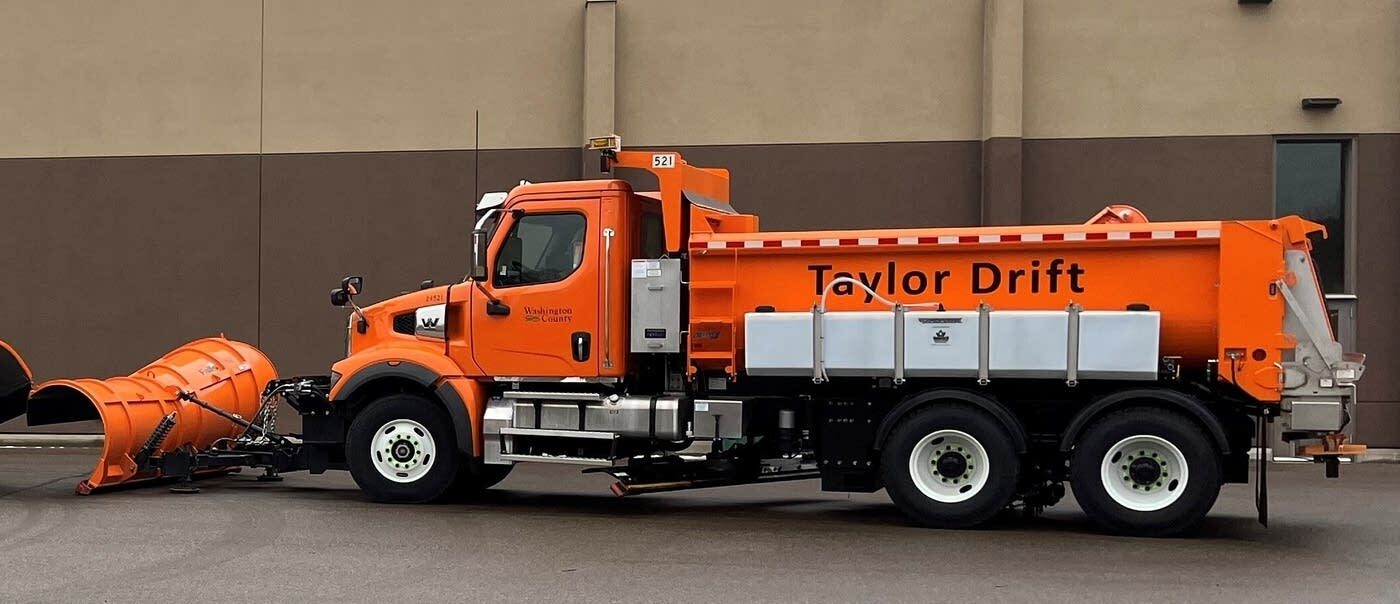
Meet Taylor Drift, Blizzard Wizard, and the Mayor Who’s Fixing Anchorage One Snowplow at a Time
When I sat down with Suzanne LaFrance, the mayor of Anchorage, Alaska, she told me something I hadn’t expected: Washington, D.C. in January was colder than her city.
Then she told me about the snowplows.
Anchorage named all of its municipal snowplows — Taylor Drift, Blizzard Wizard, Lady Gaga, Darth Vader, Rex the Big Sky — through a public naming contest open to kids and adults alike. Every plow now has GPS, and residents can go online and track their favorite in real time.
It’s a great story. But the more we talked, the clearer it became that the snowplow program is a symbol of something larger: an administration that came in, looked honestly at what wasn’t working, and got to work fixing it.
The basics, done right
Anchorage is a city of about 280,000 people — technically a combined city-borough roughly the size of Delaware. It’s the biggest city in Alaska, isolated from the lower 48, with a trail system people love, long dark winters, and summers with nearly 22 hours of daylight. Mayor LaFrance calls it a place where “all of Alaska feels like one big town.”
She also inherited a snow removal operation that needed improvement. So her team assembled a snow solutions group, added operators, upgraded the fleet, brought in GPS tracking, and made sure aging equipment had replacement parts on hand before they were needed. Snow removal is now a genuine point of pride — and also, apparently, a source of civic joy, because people really do go online to check where Lady Gaga is.
Homelessness in the cold
The harder issue is homelessness — and in Anchorage, it carries a particular urgency. Being unsheltered in a city where temperatures drop to single digits below zero for weeks at a time is life-threatening.
Mayor LaFrance’s administration made year-round shelter a priority from day one. When she came into office, the city stood up emergency shelter in cold weather and shut it down in spring — which meant people cycled back onto the streets every year. That’s over now. The focus has shifted to permanent access: year-round beds, partnerships with nonprofits, outreach teams that spend months building trust with people reluctant to come in.
One of the most tangible results is a pilot program built through the Bloomberg Cities Ideas Exchange: 32 fully insulated micro homes — each with its own door, its own lock, and its own electric heater — built as a recovery residence for people coming off the streets who want to engage in treatment. The idea was adapted from a successful model in Atlanta; Anchorage modified it for the climate, constructing the units rather than retrofitting shipping containers. The homes sit on about a quarter acre. A shared communal building and bathroom are on site. A third-party operator provides behavioral health support.
It’s a pilot. The funding questions are real. But it’s also good government in action: learning from another city, adapting for local conditions, and sharing what you’ve learned so others can do the same.
What good government looks like
I always ask mayors the same question at the end: define good government.
Mayor LaFrance kept it simple. “Providing the services that people need — with transparency, good communication, and public value.”
Named snowplows. Year-round shelter. Micro homes for recovery. A school tax going to voters because the numbers changed and there was a window to ask.
That’s what it looks like.